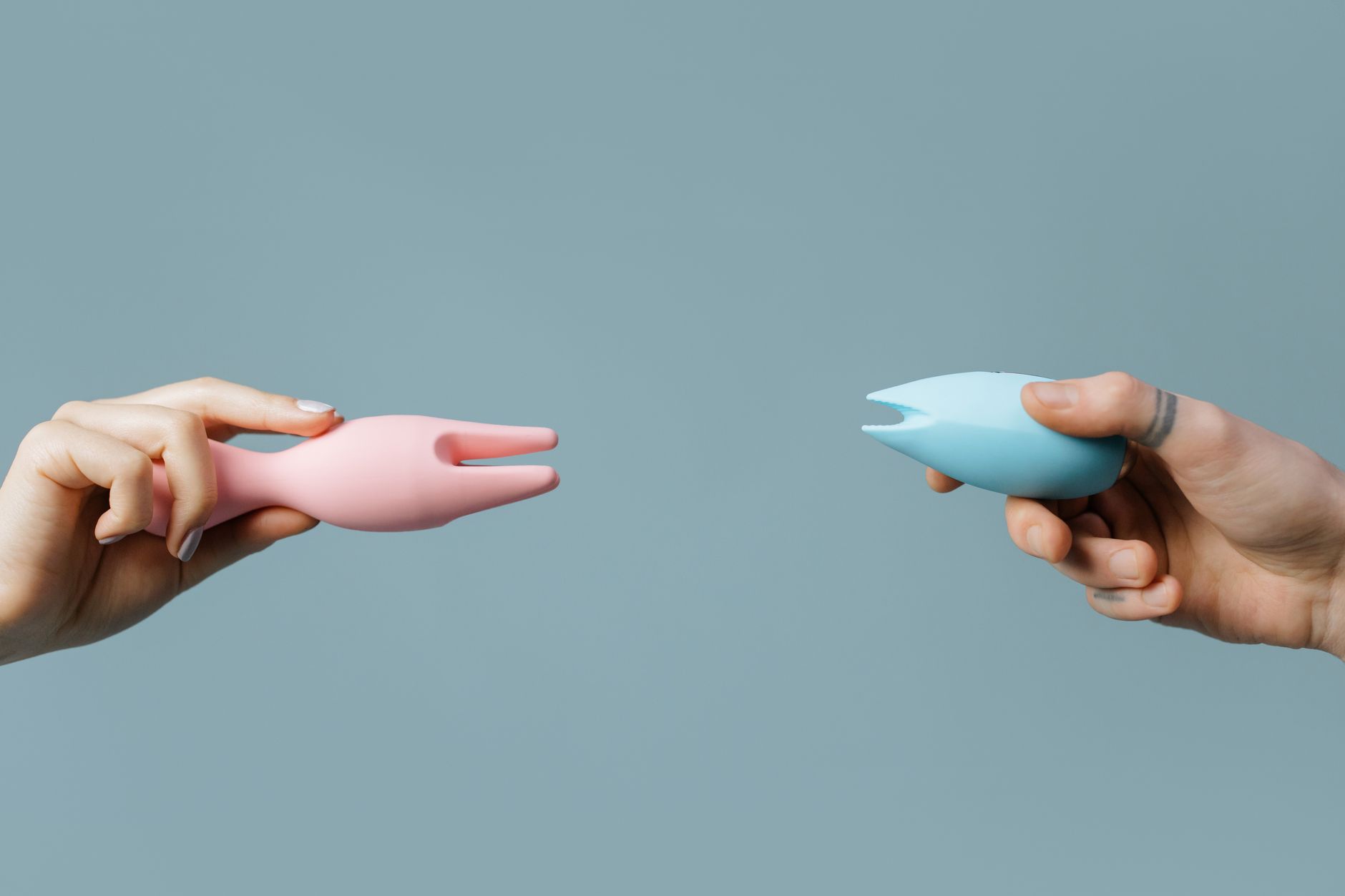
How Lemon Vibrators Work When Menopause Changes Your Tissue Sensitivity
Let's talk about what menopause actually does to your body
Menopause changes tissue. It doesn't end pleasure. Here's the thing nobody explains clearly: your vulva gets thinner during menopause. The vaginal walls lose elasticity. The skin around the clitoris becomes more delicate. Estrogen drops by up to 90 percent, and that shift reshapes how your body responds to touch, pressure, and stimulation.
Traditional vibrators, which rely on direct mechanical vibration, can feel too intense, too sharp, or even painful on this thinner, more sensitive tissue. This is why so many of my clients in their 50s and 60s tell me they stopped using vibrators altogether. But stopping isn't the answer. Switching is.
How suction stimulation differs from traditional vibration
Lemon vibrators use air suction technology instead of pure vibration. Think of it this way: traditional vibrators bang directly against tissue. Suction gently pulls and releases, creating a rhythmic pressure that stimulates nerves without the same mechanical friction.
For menopausal bodies, this distinction changes everything. Suction doesn't require the same tissue thickness to feel good. It works with thinner tissue instead of against it. The stimulation happens through gentle pressure waves rather than forceful buzzing, which means less irritation, less pain, and often deeper, more intense sensation.
I've worked with clients who thought they'd lost the ability to orgasm during menopause. Within weeks of switching to a lemon suction vibrator, they were experiencing orgasms they hadn't had in a decade. The tissue hadn't changed that much. The tool did.
Why traditional vibrators can feel wrong during menopause
Four reasons come up again and again in my practice:
Direct friction on thin tissue. When estrogen drops, the vaginal wall becomes thinner and drier. Direct vibration against thin tissue feels sharp rather than pleasurable. It's like the difference between brushing your arm gently and scraping it with a stick. Same motion, completely different tissue response.
Nerve sensitivity shifts. Your nerve endings don't disappear during menopause. They actually become more sensitive in some ways. But they become sensitive differently. High-frequency vibration can feel overwhelming or even painful, whereas suction feels graduated and manageable.
Dryness amplifies friction. Even with lubrication, thinner tissue dries faster during arousal. Traditional vibrators compound this because friction generates heat and reduces lubrication over time. Suction doesn't create the same friction, so lubrication lasts longer.
Arousal takes longer. Menopause slows the blood flow that creates arousal. You need longer warm-up time. A suction vibrator's gentler approach works better during this extended build, whereas traditional vibrators can feel jarring when you're still in early stages of arousal.
How to use a lemon clitoral vibrator safely during menopause
Here's what actually works, based on what my clients report:
Start with the lowest setting. Most lemon suction vibrators have multiple intensity levels. Begin at level 1 or 2. Your tissue needs time to adjust to the sensation, even if it feels gentle. You can always go up. You can't un-hurt your skin.
Use water-based lubrication every time. This isn't optional during menopause. Water-based lube reduces friction further and makes suction feel smoother. Apply generously and reapply if things start to feel dry. Your pleasure matters more than looking "naturally lubricated." Menopause isn't natural dryness you can think away.
Budget 20-30 minutes. Arousal moves slowly during menopause. Don't rush. Your body needs longer to build blood flow and sensation. A lemon vibrator works best when you have time to gradually increase intensity and let your body respond. Quick sessions often end in frustration because you're pushing for a result your body isn't ready for yet.
Position it correctly. Suction vibrators work best when the opening sits fully over your clitoris, creating a seal. Incorrect positioning reduces sensation and can cause discomfort. Spend your first few sessions finding the angle that feels best. It might not be the same as what worked at 35.
Stop if anything hurts. Pain is information. If you feel sharp pain, burning, or rawness, pause. Check for irritation. Apply a tiny bit more lube. Resume gently. If pain persists, you might need topical estrogen therapy from your doctor, which is highly effective and worth discussing.
The hormonal piece: why menopause changes sensation so dramatically
Estrogen does more than lubricate. It maintains tissue thickness, keeps blood vessels elastic, and supports the nerve endings that fire during arousal. When estrogen drops, you lose all three. Your clitoris has the same nerve density it always did, but the tissue around it is thinner, less blood flows through it, and arousal triggers don't activate the same way.
Here's what's important: this isn't permanent decline. It's a shift. And shifts can be worked with. A lemon suction vibrator is specifically designed to work with menopausal tissue, not against it. The same technology that makes these vibrators less intense also makes them more effective for bodies experiencing hormonal change.
Some clients ask if they should try hormone replacement therapy before investing in a vibrator. My answer is usually both. HRT can help with overall tissue health and vaginal lubrication, but it takes 6-12 weeks to feel effects. A good clitoral vibrator works today. They're not competing strategies. They're complementary.
When to seek medical support alongside pleasure tools
If penetrative sex is painful, talk to your gynecologist about genitourinary syndrome of menopause (GSM). This is real, common, and treatable. Topical estrogen creams applied to the vaginal tissue can restore thickness and elasticity in weeks. It's not a systemic hormone dose; it's local tissue care.
If you're experiencing complete loss of sensation or orgasm even with exploration and good tools, that can sometimes signal thyroid issues, medication side effects, or depression symptoms that deserve attention. A good menopause specialist or therapist can help you sort what's purely hormonal and what might be something else.
The mental shift that makes all the difference
Here's what I notice with my clients in their 50s and 60s: the biggest barrier isn't physical. It's permission. There's a lingering idea that sexuality should look a certain way, require certain timing, or feel a certain intensity. Menopause blows that up. Your body is asking you to slow down, explore differently, and prioritize what actually feels good instead of what you think should work.
A lemon vibrator is a tool for that permission. It says: your pleasure still matters. Your body is still capable. The rules have changed, but the possibility hasn't. In fact, many of my clients report that pleasure feels more intentional, more present, and more satisfying after menopause than it ever did before. Not because the tissue is the same, but because everything else shifted. Expectations lowered. Presence deepened.
Frequently asked questions about lemon vibrators and menopausal tissue
How long does it take to notice results with a lemon suction vibrator during menopause?
Most people feel a difference within the first few uses, especially in terms of comfort. But real arousal and orgasm often take 2-4 weeks as your body adjusts to the new sensation and you learn what intensity and positioning work for you. Be patient. Your nervous system has spent years responding to certain kinds of touch. It needs time to adapt to something gentler.
Can I use a lemon vibrator if I'm on hormone replacement therapy?
Absolutely. In fact, many clients find that HRT and a good vibrator work beautifully together. HRT improves overall tissue health and lubrication over time, while the vibrator gives you pleasure tools right now. They're not alternatives. They support each other.
Is it normal for menopause to make my clitoris less sensitive?
Your clitoris isn't less sensitive. The tissue around it is thinner, which changes how sensation registers. It's like the difference between touching a bruise and touching healthy skin. The nerve ending is the same, but the surrounding tissue changes how you experience the touch. A lemon suction vibrator works with this new tissue reality instead of fighting it.
What if suction vibrators don't work for me either?
Try adjusting intensity, duration, lubrication, and positioning before giving up. If you've experimented for a few weeks with no improvement, talk to your gynecologist about topical estrogen creams or whether another tool might fit better. Some people need both hormonal support and a vibrator. Some need a different style altogether. There's no one-size answer, and that's okay.
Do I need to use lubricant with a lemon clitoral vibrator during menopause?
Yes. Even if you're using HRT or topical estrogen creams, lube makes the experience smoother and more comfortable. Menopause-era lubrication is different. Water-based lube that you apply generously is your friend. Reapply as needed. Generous lubrication isn't a sign of failure. It's basic tissue care.
Can lemon vibrators cause damage to thin menopausal tissue?
No, when used correctly. Suction vibrators are gentler on thin tissue than traditional vibrators because they don't rely on direct friction. The risks come from using intense settings too quickly, skipping lubrication, or ignoring pain signals. Start low, use lube, and listen to your body. Your tissue is stronger than you think.
The bottom line: menopause changes the rules, not the possibility
Your body is shifting during menopause. Tissue thins. Arousal slows. Sensitivity changes. But pleasure doesn't disappear. It transforms. And tools like lemon vibrators are specifically designed for bodies in transition. They work with thinner tissue instead of against it. They create sensation through suction rather than friction. They ask you to slow down and stay present.
Menopause isn't the end of your sexual life. It's the beginning of a different chapter. And honestly, many of my clients find it's the most intentional, present, and satisfying chapter yet. If you're struggling with sensation or comfort during this transition, a lemon suction vibrator might be exactly what you've been looking for. If you want to talk through what might work best for your body, reach out to us. Your pleasure matters at every age.
Related reading
If you're working through menopause changes more broadly, you might find these posts useful: How Lemon Vibrators Help When Libido Drops After Perimenopause Starts covers the arousal timeline piece. And if you're thinking about how to talk to a partner about using a vibrator during this transition, How to Introduce Lemon Vibrators to Your Partner Without It Feeling Like Rejection walks through those conversations. Why Lemon Vibrators Work Better Than Traditional Vibrators for Thicker Tissue dives deeper into the biomechanics if you want more technical detail.