
Here's the thing about bringing toys into partnered sex
It feels like a minefield. You're worried your partner will think you're unhappy. They're worried you're implying they're not enough. Nobody says this out loud, so you both just... sit with it. And nothing changes.
I've worked with hundreds of couples on this exact moment, and I can tell you that the conversation fails not because the idea is wrong, but because the frame is wrong. You're approaching it as a criticism ("I need this") when what actually works is positioning it as expansion ("Let's try this together").
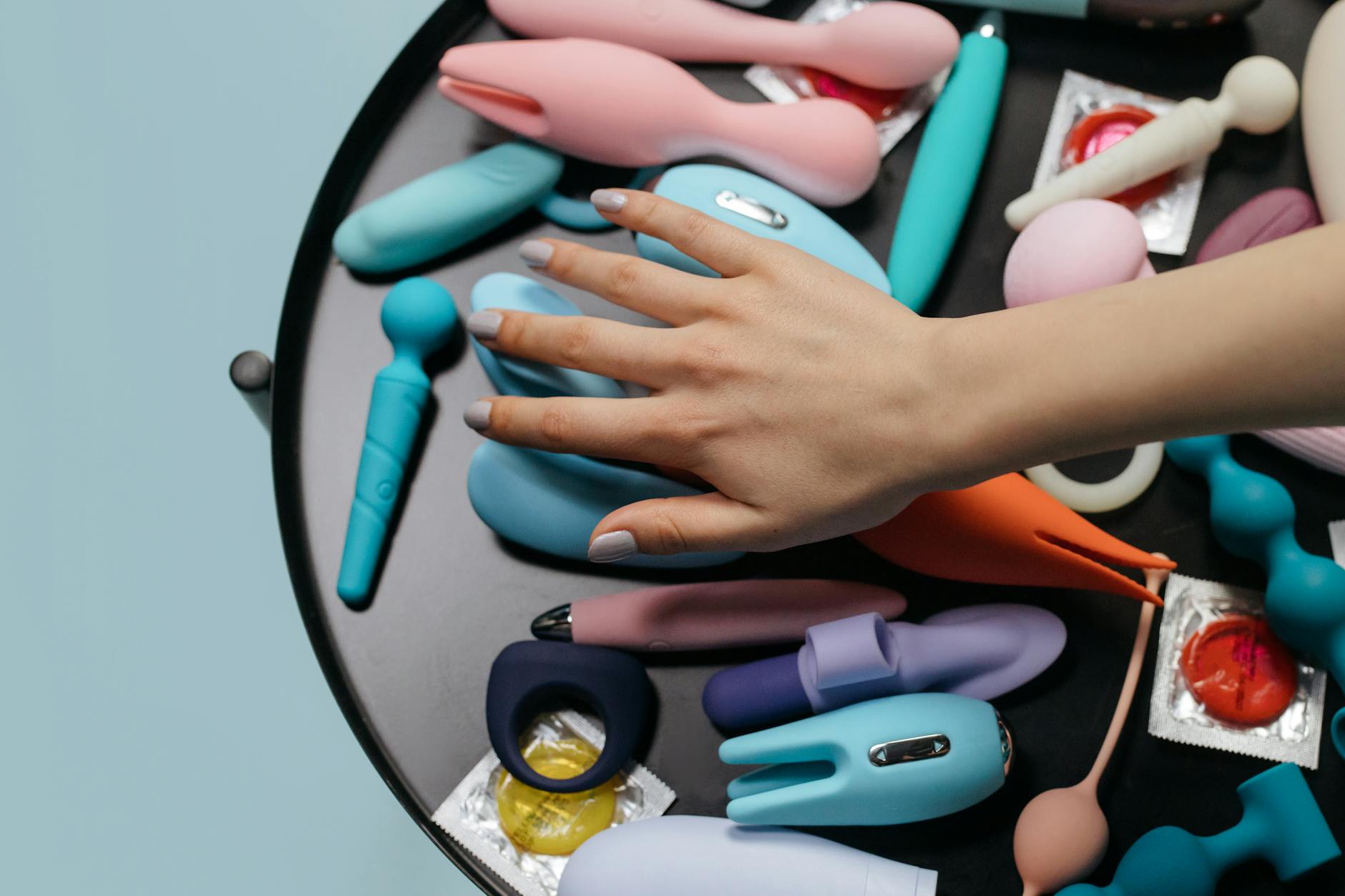
Photo by cottonbro studio on Pexels
A lemon vibrator, specifically, works well in partnered play because it's not a replacement for anything. It doesn't mimic anything a partner does. It's a third thing. A collaborator. And that changes the psychological dynamic completely.
Why partners feel threatened (and why they shouldn't)
First, let's name what's actually happening. When you introduce a toy, your partner might hear: "Your hands aren't good enough" or "I'm not satisfied" or "You're failing me." These are old, painful stories that sexual shame loves to feed. None of them are true, but they're loud.
Here's what's actually true: the human hand can't do what a lemon sucker does. That's not a judgment. It's physics. A lemon clitoral vibrator uses gentle suction and micro-vibrations to create stimulation that fingers and penis simply cannot. It's not better. It's different. And different, in the context of long-term partnered sex, is often what reignites things.
The best partners I've worked with understand that their job isn't to do everything. Their job is to be present while their partner experiences pleasure. When you take that pressure off, sex becomes less about performance and more about intimacy.
The conversation setup (timing and framing)
Don't bring this up during sex. Don't bring it up right before sex. Don't bring it up when you're annoyed or they're stressed. Bring it up during a calm, non-sexual moment, ideally when you're already talking about something relationship-related.
The frame matters enormously. Here are three ways to open this that actually work:
Option 1: The exploration angle. "I've been reading about lemon vibrators, and I'm curious about trying one with you. I think it could feel amazing, and I like the idea of exploring together."
Option 2: The desire angle. "I want to feel more pleasure with you. I've heard that using a vibrator during partnered sex makes orgasms more intense for me, and I'd love to experience that together."
Option 3: The connection angle. "I love our sex life, and I want to keep it interesting. I've been thinking about trying something new. Would you be open to exploring this with me?"
Notice what these all have in common. They're about togetherness, not criticism. They're about you and your partner, not you versus your partner.
If your partner says no immediately, don't push. Ask why. Often it's just fear talking. You might need to revisit this conversation in a few weeks. Sometimes people need time to sit with new ideas.
What to show them (and how)
If they're open to talking about it, the next move is education, not pressure. Show them what a lemon vibrator actually does. There are plenty of videos online that demonstrate how it works. Let them hold it if you have one. Let them turn it on. Demystify it.
I recommend being specific about how you want to use it. Don't just say "I want to use a vibrator during sex." Say something like: "I'd love for you to be inside me while I use the vibrator on my clitoris. I think that combination would feel incredible." Specificity removes ambiguity. Ambiguity is where insecurity grows.
You might also show them research about how clitoral vibrators enhance partnered sex rather than replace it. Studies consistently show that partners who introduce toys together report higher satisfaction and more frequent sex. This isn't anecdotal. This is data. And data has a way of quieting the anxious voice in someone's head.
The first time (lowering the stakes)
Don't make the first experience a huge deal. You're not trying to reinvent your entire sex life in one night. You're trying to add one thing to what already works.
Start with foreplay. Use the lemon vibrator on yourself while your partner touches you elsewhere. Masturbate with it while they watch. This normalizes it and also removes the pressure of "getting it right" the first time. Sex with toys is a skill. Nobody's amazing at it immediately.
If you want to involve them, ask them to hold it. Ask them to control the intensity. Ask them to use it on you while you're kissing. The involvement matters more than the outcome.
If it feels awkward, that's normal. The first time anything new happens in bed is awkward. You're learning each other's preferences, figuring out positioning, managing the logistics. Give yourself grace. Most couples need three to five attempts before it feels natural.
If your partner remains resistant
Some partners will stay no. That's their right. You get to decide whether that's a dealbreaker for you, but pressuring someone into sex acts they don't want is never the answer. It breeds resentment.
If this is a hard boundary for them, you might explore why. Is it about control? About vulnerability? About something they witnessed or experienced? Understanding the root often helps more than pushing the thing itself.
You can also consider compromise. Maybe they're not ready for partnered use yet, but they'd be okay with you using a lemon vibrator on your own time. That's a win. Your pleasure matters, and sometimes partners need to see you experience it before they're comfortable being part of it.
The conversation after
Once you've used a clitoral vibrator together, check in. Ask your partner what they felt. Ask if anything surprised them. Ask if they'd do it again. These conversations are where real intimacy lives. You're being vulnerable. They're responding with openness. That's the foundation of long-term partnered sex that actually works.
Most couples report that the anticipation of the conversation is worse than the conversation itself. Once you've done it once, bringing it up again is significantly easier. You've proven to each other that you're both interested in pleasure, exploration, and each other. That changes everything.
FAQ: Introducing vibrators to your partner
Will my partner think I'm not attracted to them anymore?
No. But they might have that fear. That's why the conversation matters. You're literally telling them: "I want more of this. With you." A lemon vibrator isn't a replacement. It's an addition. Frame it that way, and most partners get it.
What if they say they feel emasculated?
That's a sign of insecurity worth exploring together. Sexuality isn't about proving manhood. It's about connection and pleasure. Sometimes partners who feel insecure about toys benefit from reading about how toys actually enhance partnered sex, or from therapy that addresses the underlying beliefs about masculinity.
Should I ask permission before bringing a vibrator into the bedroom?
Absolutely yes. Consent isn't just about big things. It's about everything. Have the conversation before it's in your hands during sex. Nobody likes surprises during intimate moments.
Can using a vibrator make me dependent on it?
No. Your body doesn't become "addicted" to stimulation patterns. If anything, expanding your range of sensation makes you more responsive, not less. You're training your nervous system to experience pleasure in new ways.
What if we use a vibrator and it feels weird?
Weird is information. Weird can mean awkward (which passes), or it can mean this particular thing isn't for you. Use it a few times before deciding. Most people report that the weirdness fades after three or four experiences.
Is it normal to need a vibrator to orgasm?
Yes. Totally normal. And it's also fine if you don't. Everyone's body is different. Some people climax easily with a partner. Others need specific stimulation. A lemon clitoral vibrator just gives you more options. More options mean more pleasure.
The bigger picture
Introducing toys into partnered sex isn't really about the toy. It's about your willingness to communicate about pleasure, to be vulnerable with another person, and to prioritize both of your satisfaction. That's the real work. The vibrator is just the vehicle.
Your pleasure matters. Your partner's comfort matters. And the conversation that bridges those two things is where real intimacy lives. Start there.