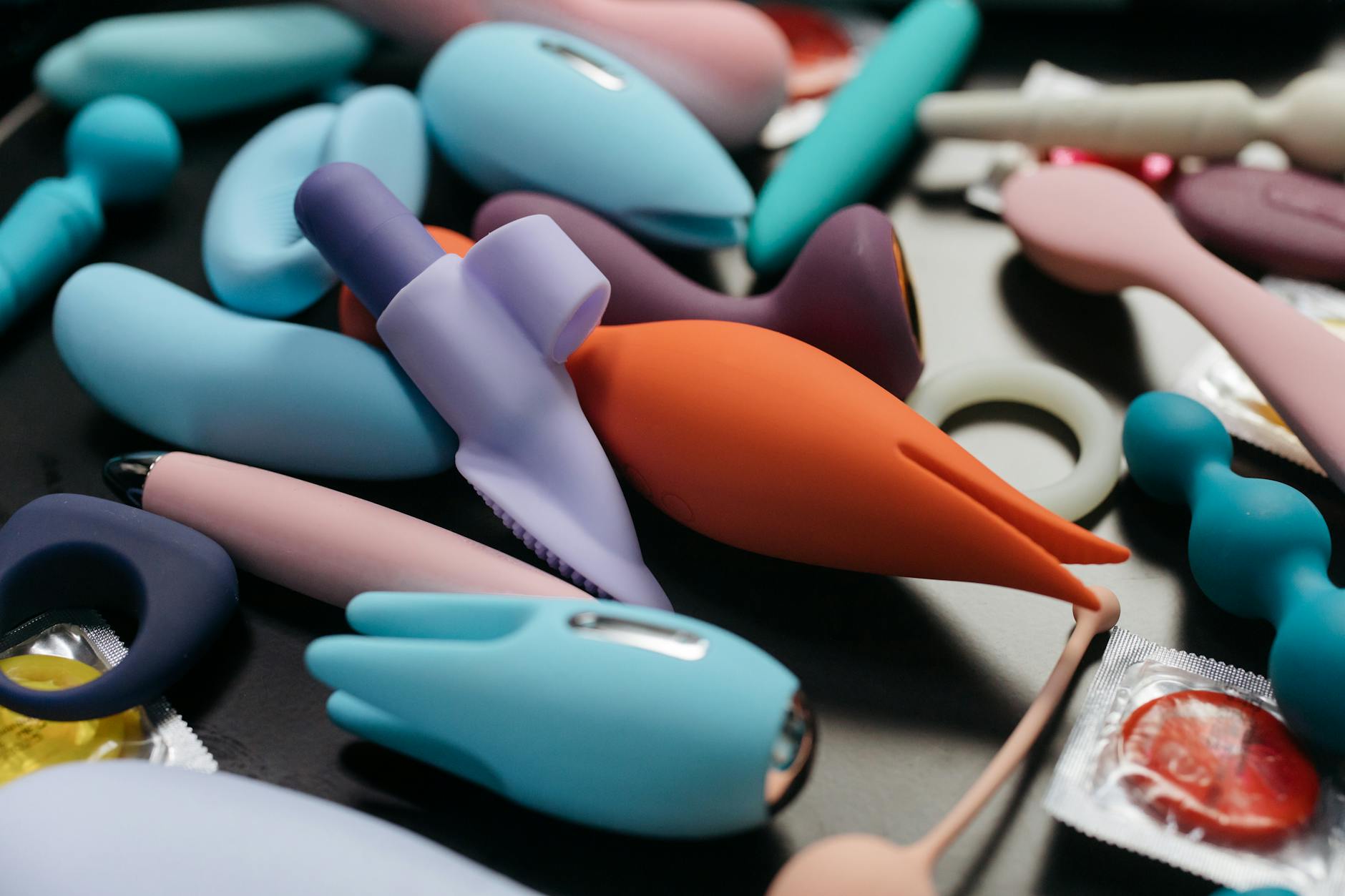
Why your sensitive clitoris might hate vibration but love suction
Let's be real. If standard vibrators have left you feeling numb, sore, or just plain irritated, the problem might not be you. It might be the device. Most vibrators use direct oscillation. Lemon clitoral vibrators use suction. That single difference changes everything for people with sensitive tissue.
The clitoris is not one nerve. It's thousands of them bundled in an area the size of a pea, with nerve density ten times higher than your fingertip. When tissue is already sensitive from irritation, inflammation, hormonal shifts, or just plain genetic wiring, direct vibration can feel like a jackhammer on bruised skin. Suction, by contrast, is more like a gentle pulling sensation that stimulates the entire nerve cluster at once, without the repetitive percussion.
Here's what I see most often in my practice: people with sensitive clitoris assume they have low desire or orgasmic dysfunction. Usually, they just need a different stimulus pattern.
The difference between vibration and suction
Vibration moves back and forth at high speed. Think of it like tapping repeatedly on a sore shoulder. Fast, repetitive, intense. Some people love it. Others find it uncomfortable after a few minutes, or feel completely numb by the end.
Suction creates a gentle vacuum that pulls the clitoral tissue into a small chamber. The sensation is more about lift and pressure than movement. When you add gentle pulsing or rhythmic patterns (which most suction devices do), you're stimulating multiple nerve pathways simultaneously instead of hammering one spot repeatedly.
For sensitive tissue, this matters enormously. Suction distributes stimulus across more nerve endings. It creates less friction. It requires less direct contact with the most delicate parts. And because there's less heat buildup from repetitive motion, you can use it longer without irritation.
Who actually benefits most from suction
Three groups see the biggest transformation:
People with vulvovaginal atrophy or genitourinary syndrome. If your clitoral tissue is thinner, drier, or more fragile due to hormonal shifts, direct vibration can cause micro-tears. Suction is gentler on thin tissue and works brilliantly with lubricant because the sealed chamber keeps everything stable.
Anyone with provoked vestibulodynia or general clitoral hypersensitivity. If touch feels sharp or burning rather than pleasant, you need pressure distribution, not focused intensity. A lemon vibrator spreads the stimulus over a larger area of tissue instead of concentrating it at one point.
People recovering from irritation or inflammation. Maybe you've been using vibrators that were too intense. Maybe you have dermatitis or thrush that's finally cleared, but the area is still tender. Suction lets you rebuild sensation gently, without re-traumatizing healing tissue.
I also see people on SSRIs, antidepressants that flatten sensation system-wide, get remarkable results with suction devices. The pressure and rhythm combination seems to wake up nerve pathways that numbing medication has quieted. It's not magic. It's neurology.
Why intensity settings don't solve the sensitivity problem
Here's something I wish more people understood: lowering the vibration speed on a traditional vibrator doesn't actually solve the sensitivity issue. It's still vibration. It's still repetitive percussion. You're just doing it slower, which often just makes arousal take longer without reducing the underlying discomfort.
With lemon clitoral vibrators, you're changing the mechanism entirely. Lower intensity on a suction device means gentler pressure and softer rhythm patterns, but you're still getting the benefit of suction stimulation. Different mechanism. Different nerve activation. Different result.
I had a client last year who spent three years thinking she had anorgasmia. She'd tried eight different vibrators, each one leaving her feeling sore and frustrated. She spent an hour with a suction device on pattern two and had an orgasm within ten minutes. Her clitoris wasn't broken. The stimulus was wrong.
How to transition if you've been using traditional vibrators
If intense vibration has been your go-to and you're curious about suction, ease in. Start with the gentlest setting. This is not the time to go full intensity and expect magic.
Budget more time than you think you need. Arousal happens differently with suction. It's often slower to build but deeper when it arrives. Give yourself twenty to thirty minutes if possible, not five.
Use lubricant generously. Water-based is safest because it won't damage silicone, and it helps the suction seal work better. A good seal means better sensation and less awkward slipping around.
Don't expect the same orgasm shape you got from vibration. Suction orgasms often feel different. Less explosive, more spreading. Longer sometimes. Different doesn't mean worse. It often means better, especially if your previous experiences involved numbness or pain.
Consider combining it with partner touch. If you're using a lemon clitoral vibrator with a partner, they can touch other parts of your body while you use the device. This layers sensation and often deepens the experience in ways solo use doesn't.
The role of pattern and rhythm
Most quality lemon vibrators offer multiple rhythm patterns, not just intensity levels. This matters more than people realize. Your clitoris responds differently to steady pressure versus pulsing, versus waves, versus random patterns.
If one pattern feels numbing or irritating, try another. Pattern five might be transformative while pattern two leaves you cold. There's no "right" pattern. What matters is finding the one that wakes up your specific nerve constellation. Spend time exploring this. It's not wasted time. It's literally mapping your own pleasure.
I recommend starting with steady suction at low intensity, then experimenting with patterns once you're aroused. Many people find that rhythm patterns work better once the initial arousal phase has passed. Your nervous system becomes more responsive as blood flow increases and attention narrows.
Sensitivity, healing, and when to pause
Here's the hard part nobody says clearly: if you experience pain during or after using any device, including suction ones, that's information. Not judgment. Information. Pain means stop, rest, and possibly see a provider.
Sensitivity that causes discomfort is different from sensitivity that responds to gentle stimulus. The first needs rest and possibly professional input. The second is exactly what lemon clitoral vibrators are designed for.
If you've been dealing with vulvovaginal pain, you might benefit from physical therapy before or alongside using a suction device. Pelvic floor tension often underlies clitoral hypersensitivity. Releasing that tension changes how you respond to touch.
But here's what I see most often: people with genuine sensitive tissue who try the right device for the first time and finally understand what pleasure is supposed to feel like.
Frequently Asked Questions
Does suction actually feel better than vibration for sensitive clits?
For most people with sensitive tissue, yes. Suction distributes pressure across more nerve endings instead of hammering one spot. But sensitivity is personal. Some people love intense vibration even with sensitive clitorises. Others find suction uncomfortably intense. The only way to know is to try, ideally with a low-pressure device like a lemon vibrator that you can use at very gentle settings.
Can I use lemon vibrators if I have clitoral pain or vulvodynia?
It depends. If you're in active pain, any device might irritate things further. Talk to a pelvic health specialist first. If your pain has improved and you're in a recovery phase, gentle suction might actually help rewire sensation. But don't guess. Get professional input if you're dealing with chronic pain.
Why do lemon vibrators sometimes feel numb even though they're suction?
Three reasons: you might be using too high intensity too fast (the nerve endings literally get overwhelmed and shut down). You might need more arousal time before using it (nerves are more responsive when blood flow is high). Or you might need a different rhythm pattern. The first session is rarely optimized. Give it three or four sessions before deciding if it works for you.
How is suction different from oral sex if I like oral sex?
Suction devices mimic the gentle pressure and rhythm of oral sex without fatigue or inconsistency. But they lack the warmth, wetness, and variability that a mouth provides. Many people find that suction devices work brilliantly as foreplay or as a solo tool, but aren't a replacement for partner stimulation. They're a different tool with different uses.
Is it normal for suction to feel intense at first even on low settings?
Completely normal. You're experiencing pressure and rhythm in a way your clitoris might not have felt before. Many people find the first two or three sessions feel almost too intense, then the nervous system adapts and it becomes exactly right. If it's uncomfortable, use even lower settings or try it for shorter sessions. Build tolerance gradually.
Can I use lemon vibrators with hormonal birth control or medication that affects sensation?
Yes, but adjustment might take longer. If you're on medication that flattens sensation (SSRIs are the most common), your nervous system might take more time to wake up to the stimulus. More arousal time, gentler settings, consistent use over several weeks. The good news: when the sensitivity finally returns, many people report that suction devices feel better than what they used before medication.
What changes when you find the right device
I've watched people's entire relationship with their body shift the moment they encounter the right stimulus at the right intensity. It's not miraculous. It's neurology and engineering matching up. Your clitoris has been waiting for this specific input pattern. When it finally arrives, everything clicks.
If vibrators have left you numb or sore, sensitive clitoral tissue isn't a limitation. It's information. Your body is telling you that suction might work better than percussion. Try one. Give it real time. See what happens. Your pleasure matters, and you deserve a device that actually works for your specific wiring.
Questions about finding the right lemon clitoral vibrator? Reach out to Hello Nancy. We're here to help you figure out what works.