Let's talk about what nobody tells you
After you give birth, everyone asks how your baby is doing. Then they ask if you're sleeping. What nobody asks is whether your pelvic floor still works, or whether you'll ever want to have sex again. Both are real questions with real answers, and they're connected.
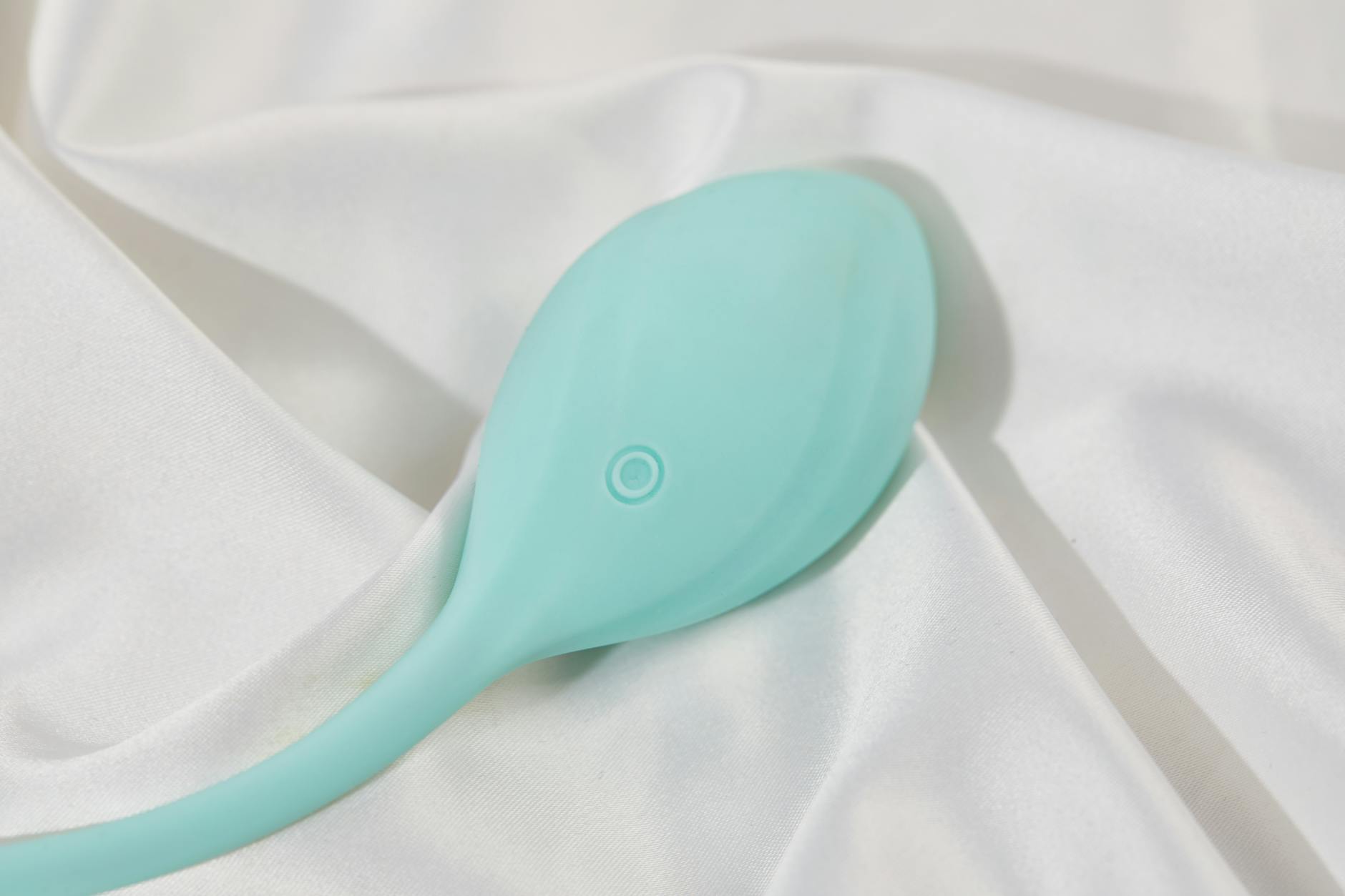
Here's the thing: your pelvic floor didn't just stretch during labor. It tore, healed, weakened, and is now sitting underneath your whole body doing a job it was never quite designed for, all while you're leaking a little when you cough and wondering if orgasms are still possible. They are. And lemon vibrators can actually help.
What happens to your pelvic floor during and after birth
Your pelvic floor is a sling of muscles that supports your bladder, bowel, and uterus. During childbirth, that sling gets stretched past anything evolution prepared it for. Sometimes it tears. Sometimes it just gets traumatized and exhausted. Either way, it needs time and intentional strengthening to do its job again.
But here's where the story gets interesting: weakness in the pelvic floor doesn't mean you can't feel pleasure. It means something different. You might have weaker orgasms, or struggle to feel sensation, or experience a disconnected feeling during sex. Kegel exercises help, sure. But they're boring and they're not the whole picture.
When you use a lemon clitoral vibrator after birth (after you've been cleared by your doctor, obviously), you're not just pursuing pleasure. You're retraining your nervous system to recognize sensation again. You're teaching your pelvic floor to engage with stimulation. You're rebuilding the neural pathways that tie your brain to your body.
Why lemon vibrators work differently than other toys for postpartum recovery
Most vibrators use direct vibration. They're great, but postpartum tissues are delicate, and the constant buzz can feel overwhelming on sensitive skin. Lemon clitoral vibrators use suction instead. That changes everything.
Suction stimulation draws the clitoral tissue gently into the device, creating a rhythmic pulse rather than a harsh buzz. For someone rebuilding pelvic floor strength, this matters because suction engages your muscles differently. Instead of just transmitting vibration, your body has to work slightly to engage with the sensation. Your pelvic floor has to contract and release. That's passive strengthening.
It's also less triggering for postpartum bodies. If you experienced trauma during birth, suction stimulation feels less violating than traditional vibration. Many clients tell me it feels more like massage than attack.
The timeline: when to start and how to do it safely
Don't jump into anything until you're cleared by your OB. Most providers say six weeks minimum for vaginal birth, longer for cesarean. Even then, "cleared for penetration" doesn't mean you should dive into a full routine.
Start with external stimulation only. No penetration. Your clitoris doesn't care. The external clitoral tissue has incredible nerve density, and you can access all the pleasure you need without going internal.
Begin with your lemon vibrator on the lowest setting. Seriously. Give yourself 15-20 minutes to just feel what's happening. Your nervous system is rewiring. Your pelvic floor is learning to engage again. Rushing this process defeats the purpose.
After a few sessions, you might notice your pelvic floor responds more quickly. You're building the muscle memory. That's the point. You're not chasing orgasms yet. You're rebuilding the baseline.
Pelvic floor engagement during stimulation
Once you're comfortable with external stimulation, you can make the experience do double duty. While you're using your lemon vibrator, practice contracting your pelvic floor deliberately. Squeeze for three counts, release for three counts. Do that in sets of ten.
This sounds clinical, but it's not. You're literally combining pleasure with strengthening. Your brain releases endorphins during pleasure, which makes the muscles more responsive. You're hacking your own nervous system in the best way.
Many postpartum people find they reconnect with orgasm faster when they're actively engaging their pelvic floor during stimulation. It's not magic. It's neurology.
The partner piece: rebuilding intimacy with your pelvic floor in mind
If you have a partner, involve them. Not in the way you might think. The biggest mistake I see is couples trying to jump straight into partnered sex after the doctor clears them. That's where the real problems start.
Use your recovery time with a lemon clitoral vibrator to reconnect with solo pleasure first. Then, when you're ready, invite your partner into that space. Let them watch. Let them understand what feels good now, not what felt good before you gave birth.
Many people assume their partner wants penetrative sex immediately. Honestly? Most partners would rather feel connected than rush back to what used to work. Using a lemon vibrator together reframes sex. It's not a performance. It's exploration.
Managing expectations around sensation changes
Your body is different now. You might have scar tissue, neuropathy, or just plain disconnection from the trauma of birth. Your clitoris might feel less sensitive in some spots and hypersensitive in others. That's normal.
When you're using a lemon vibrator during recovery, pay attention to what actually feels good, not what used to feel good. Your preferences might have shifted. Your timing might have shifted. You might need more warm-up, longer sessions, or a different pattern than you used before. None of that is wrong. It's just information about your new body.
Give yourself permission to be curious instead of frustrated. You're literally rebuilding. That's work. It deserves patience.
Beyond vibration: the bigger pelvic floor recovery picture
Lemon vibrators are one tool, not the whole toolkit. Your pelvic floor also needs actual Kegels, breathing work, movement, and sometimes physical therapy. If you're experiencing pain during any of this, stop and talk to a pelvic floor PT. They're not just for people in crisis. They're incredible for postpartum recovery.
But within that bigger picture, pleasure matters. Your nervous system needs to remember that your body is safe, capable, and worthy of feeling good. A lemon clitoral vibrator can help teach your body that lesson faster than you'd expect.
FAQ: Your questions about lemon vibrators and postpartum recovery
Can I use a lemon vibrator if I tore during birth?
Yes, but give yourself more time before starting. If you had a second-degree tear or higher, wait until you're fully healed internally, which is usually 8-10 weeks minimum. Even then, start slowly on external stimulation. Your scar tissue needs time to become less sensitive. If pain appears at any point, pause and see your doctor or a pelvic floor PT. Pain is information, not something to push through.
Will using a lemon vibrator make my pelvic floor weaker?
No. If anything, it helps rebuild strength because using a clitoral vibrator requires your pelvic floor to engage. You're not doing deep internal work, so you're not destabilizing anything. You're adding gentle stimulation that teaches your nervous system to respond again. That's strengthening work, even though it feels like pleasure.
When can I have partnered sex again after using a lemon vibrator?
Everyone's timeline is different. Some people feel ready after a month or two of solo recovery. Others need three to four months. The key is that you should feel ready, not just cleared by your doctor. If using a lemon vibrator on external stimulation feels comfortable and pleasurable, you're probably closer to being ready for partnered intimacy. But start slow. No penetration until you really want it, not just because you think you should.
Is suction better than vibration for postpartum pelvic floor recovery?
They're different. Suction stimulation requires your body to actively engage with the sensation, which can accelerate pelvic floor recovery. Vibration is gentler and requires less active engagement. If you had a traumatic birth, suction often feels less triggering. Start with whichever feels less scary, then explore the other after a few weeks if you want to.
Can I use a lemon vibrator while breastfeeding?
Yes. Your pleasure matters, and it won't affect your milk supply. If you're touching yourself, wash your hands first if you've been handling anything other than your own body. That's just basic hygiene, not a special postpartum rule.
What if I feel no sensation at all when I use a lemon vibrator after birth?
That's actually common, especially if you had a traumatic birth or significant tearing. Your nervous system might be protecting you. Give it time. Start with even gentler stimulation, like manual touch. Sensation often returns faster than you'd expect once your body realizes it's safe. If numbness or complete disconnection persists beyond three to four months, talk to a pelvic floor PT or gynecologist. Sometimes targeted therapy helps wake up those nerves.
You're rebuilding, not recovering
The language matters here. You're not trying to get back to where you were before birth. Your body has changed, and that's okay. You're rebuilding your relationship with pleasure, your pelvic floor strength, and your confidence in your body as something that can feel good again.
A lemon vibrator is just a tool. But it's a tool that combines two things most postpartum recovery ignores: pleasure and purposeful strengthening. Use it, be patient with yourself, and remember that reconnecting with your body isn't selfish. It's essential. You deserve to feel good. Your pelvic floor deserves to work properly. Both things are true at the same time.
If you're feeling stuck in your postpartum recovery or need more support navigating intimacy after birth, reach out to Hello Nancy. We're here to help.