Let's talk about what no one tells you
If your nervous system processes sensation differently, most advice about vibrators sounds like it was written for someone else's body. The standard guidance - "build up arousal, move to the highest setting" - works fine for some people. For others, it's a recipe for overwhelm, shutdown, or total loss of interest.
Here's the thing: sensory sensitivities (whether you're neurodivergent, dealing with sensory processing disorder, or just wired for intensity awareness) don't disqualify you from pleasure. They just mean you need a different entry point. And actually? Lemon clitoral vibrators, with their suction design, can be surprisingly well-suited to sensory-sensitive bodies.
Why standard vibrators can feel overwhelming
Traditional vibrators work through direct mechanical vibration. If your nervous system is already picking up background noise, textures, body sensations at high volume, adding buzzing directly to your most sensitive tissue can push you into sensory overload within seconds.
That's not failure. That's information.
The overstimulation loop usually goes like this: you turn it on, sensation feels intense immediately, your nervous system reads "threat," your body tightens, pleasure drains away, you feel broken. You're not. Your nervous system is just doing exactly what it's supposed to do when fed too much input.
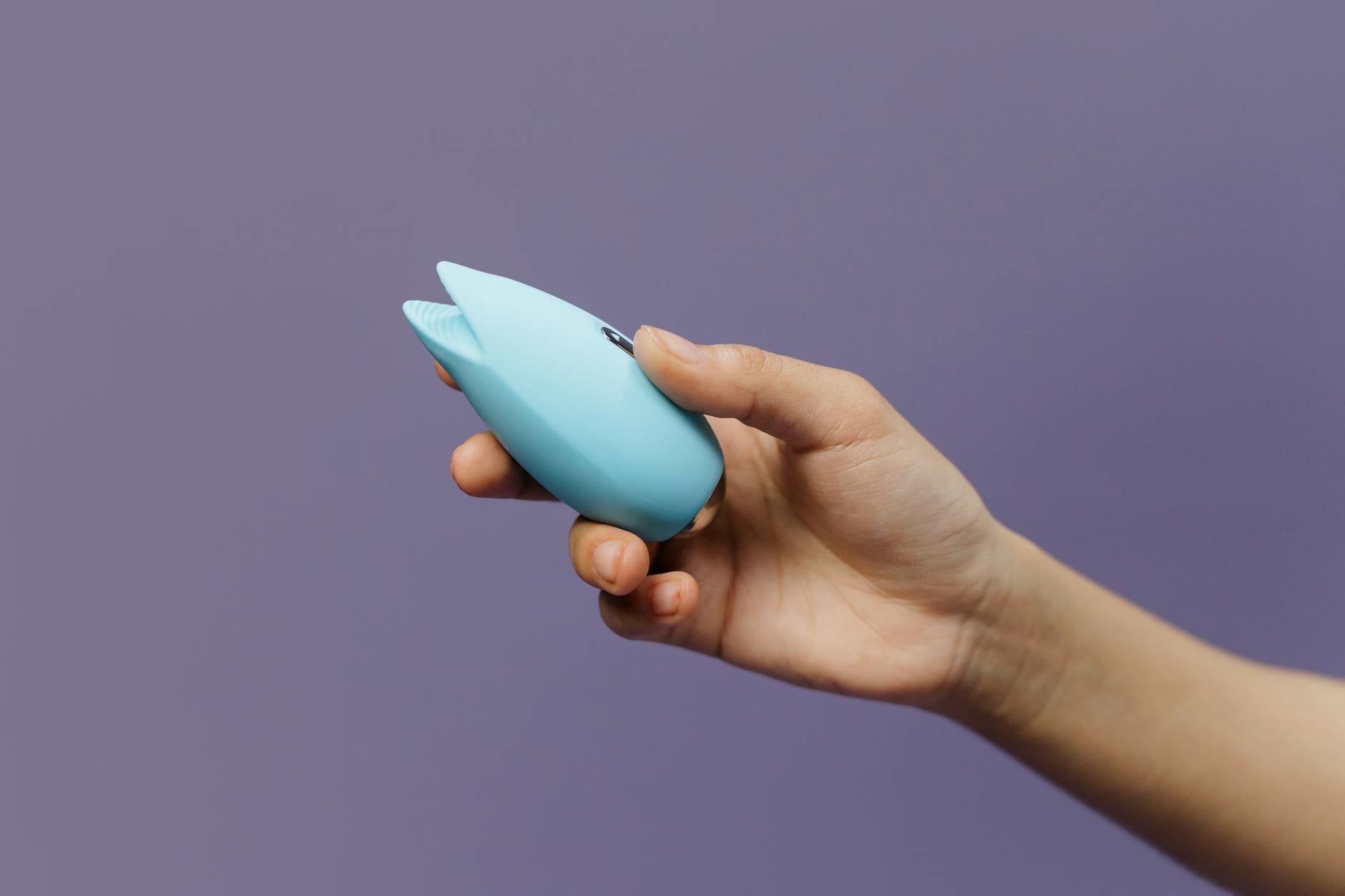
Clitoral suction devices like the Lemon work differently. Instead of vibration, they create rhythmic suction pulses. For many sensory-sensitive people, this feels more like a wave or a pattern rather than a sharp buzzing. It's still stimulation, but the sensation feels more contained and easier to predict. Your nervous system doesn't trigger the same alarm response.
Finding your starting intensity
Most lemon sexual toys come with 5-10 intensity levels. If you're sensory-sensitive, you're probably not going to start at level 1 like the instructions suggest. You might start at 0.5, if that exists. Or you might start by just holding the device near (not on) your clitoris to get used to the sensation before direct contact.
Here's my approach with clients:
Turn the device on at the lowest setting and let it run for 30 seconds while you hold it in your hand. Don't touch yourself yet. Just get used to the vibration pattern, the sound, the weight. Your nervous system needs to categorize this as "not a threat" before you add genital sensation on top.
Then, place it on your inner thigh. Not the clitoris. Just nearby. Leave it there for another 30-60 seconds. If that feels okay, move it to your labia (the less sensitive outer part). Stay there. Let your body decide when it wants more.
Some people take 20 minutes to work up to direct clitoral contact. That's not slow. That's wise.
The pause-play technique for managing overstimulation
If you find that sustained stimulation triggers overwhelm, use a pause-play rhythm instead of continuous contact.
Apply the lemon clitoral vibrator for 20-30 seconds, then remove it completely and pause for 15-30 seconds. Let your nervous system settle. Breathe. Feel what's happening in your body. Then reapply.
Doing this gives your nervous system permission to stay in a window of pleasant arousal without tipping into overstimulation. Over time, many people find they can extend the "on" time because the breaks prevent the accumulation of sensory load.
It sounds counterintuitive. Pausing feels like you're working against pleasure. But for sensory-sensitive nervous systems, these micro-breaks are what make sustained pleasure possible at all.
Environment matters more than you think
Sensory processing doesn't exist in isolation. If you're using a lemon vibrator while there's music playing, someone nearby, your phone buzzing, or bright overhead lights, your nervous system is already partway through its tolerance budget before you've even begun.
Create a sensory buffer:
Reduce visual input (dim lights or use a lamp instead of overhead lighting). Eliminate competing sounds (headphones, phone on silent, door closed). If you wear hearing aids or are sensitive to frequencies, you might prefer a toy with a quieter motor or use it on a lower setting where vibration feels sufficient without added sound.
Clear the space physically. A tidy, uncluttered environment genuinely reduces cognitive load. Rough textures on sheets or blankets might bother you. Switch to something soft.
Temperature matters too. If you're touch-sensitive, a device that's been sitting in a warm room might feel less jarring than one that's cold. Some people find silicone easier to tolerate than glass or metal simply because of thermal conductivity.
Arousal as the real game-changer
Here's where it gets interesting: people with ADHD or autism often struggle less with sensation itself than with the mental task of maintaining focus long enough to actually get aroused.
Your mind wanders. You suddenly think about an email. Your attention splinters. Without arousal as a baseline, even a gentle lemon vibrator feels like random buzzing instead of pleasure.
Fix this first, before reaching for the toy.
Spend 10-15 minutes on foreplay, fantasy, partnered touch, or whatever actually builds arousal for you. Use a partner if you have one. Use your imagination. Read erotica. The point is getting into a physiological state where you're already somewhat aroused before vibration enters the picture.
Once arousal is established, the device amplifies what's already there instead of trying to create it from scratch.
Communication with partners (if you have one)
If you're partnered, the single most important conversation happens before the toy comes out. Tell your partner:
I need to be able to stop anytime. Not eventually. Immediately. My nervous system doesn't always ask for permission before shutting down, so I'm giving you the heads-up now.
I'm not avoiding sex. I'm protecting my ability to enjoy sex. These look like the same thing from the outside, but they're opposites.
I might need breaks that feel strange to you. Trust that they work for my body.
Many partners worry that sensory sensitivity means "no sex toys ever" or "extremely complicated sex." It usually means the opposite. Once you find the right rhythm and intensity, sensory-sensitive people often report deeper focus and more reliable pleasure because fewer competing signals are in the mix.
When to see someone
If you suspect you're on the autism spectrum or have ADHD, a proper diagnosis helps. Not because it changes what you do with a lemon vibrator, but because it helps you understand your nervous system better and stops you from blaming yourself for being "broken."
If overstimulation is so severe that even the gentlest toy causes pain or shutdown, talk to a sex-positive therapist. Sometimes the block is physical (like a pelvic floor pattern that flares under stimulation). Sometimes it's neurological or trauma-related. A professional can help you figure out which.
Here's the real part
Sensory sensitivities don't mean you get less pleasure. They mean you build it differently. A lemon vibrator on level 3, used with pauses, in a calm room, after real arousal-building, can deliver more consistent, more intense orgasms than someone else's sprint to level 10.
Your nervous system isn't broken. It's just asking for a slightly different instruction manual. And honestly? That's when pleasure gets really good.