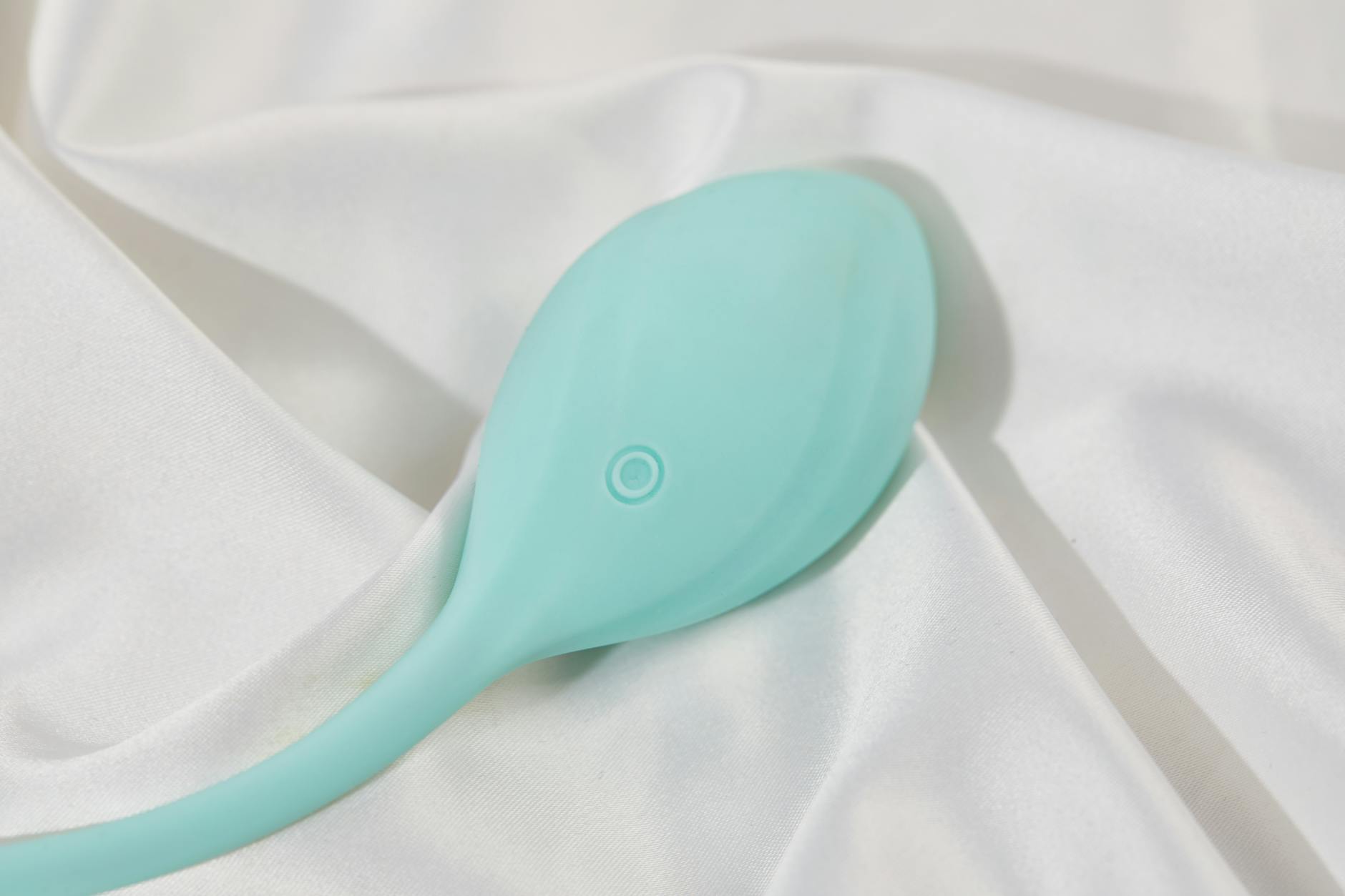
How to Use Lemon Vibrators With a New Partner Without Awkwardness
Let's be real. Bringing toys into a new relationship feels risky. You're still learning each other's rhythms, preferences, and comfort zones. The last thing you want is for your partner to feel replaced, insecure, or to assume you've been thinking about this toy more than you've been thinking about them.
Here's the thing though: that anxiety is actually the thing that makes the conversation harder than it needs to be. The conversation itself is straightforward. It's the silence before it that builds it into something terrifying.
I've worked with hundreds of couples navigating this exact moment. The ones who handle it best do three things differently: they time it right, they lead with partnership (not just pleasure), and they make it about exploration together, not about fixing a problem. Let's walk through all three.
Timing matters more than you think
Don't bring this up mid-sex. Don't text it. Don't casually drop it in a sentence while doing dishes and then act confused when they don't respond well.
The best time is in a quiet moment outside the bedroom. Not with a drink to loosen your tongue. Not when you're tired or rushed. You're looking for a conversation where you both have about 20 minutes, you're sitting somewhere comfortable, and there's no immediate expectation of sex afterward.
Why that last part matters: if you introduce the idea and then immediately follow it with, "So... want to try it now?", your partner might feel pressured or wonder if you've been waiting to use them instead of being present together. Separate the conversation from the action by at least a day or two.
If you've been dating less than a month, wait. You don't need to yet. If you've been seeing each other for 2-3 months and sex is already good, timing is neutral. If you've been together longer and this is brand new information, the earlier in the day or week you have this talk, the less it builds up in their head.
How to frame it (without selling)
Don't lead with, "I want to use a vibrator." That sounds like you're trying to convince them of something. Instead, lead with curiosity and partnership.
"I've been thinking about something I'd like to try with you. Can we talk about it?"
Then say what you actually mean:
"I want to explore using a clitoral vibrator together. Not because anything is missing, but because I think it could feel really good for me, and I'd like you to be part of that rather than keeping it separate."
That last bit is critical. You're not hiding a secret practice and then introducing the toy. You're inviting them into something new. You're making it collaborative from the start.
If your partner has never encountered lemon vibrators or air-suction toys, give them context. "It works differently than a traditional vibrator. It uses suction instead of just vibration. I read that people find it way more intense and that it actually feels unique because of how the nerves respond."
You're giving them information. You're not performing a TED talk. Keep it to one or two sentences max.
Acknowledge what they might be thinking
People worry about the same few things in new relationships. Get ahead of them.
"I want to be clear about something because I know how this can sound. Using a toy doesn't mean I'm not attracted to you or that something is missing in our sex life. It's actually the opposite. I want more pleasure, more exploration, and I want you there with me."
That sentence defuses about 70% of the anxiety people have. You've named the fear and answered it before they have to ask.
If your partner brings up specific concerns, listen. Don't defend. If they say, "Doesn't that mean I can't satisfy you?", that's not a question about toys. That's an insecurity about their desirability or adequacy. Don't answer the surface question. Answer the real one.
"No. This is about my own pleasure and what I want to feel. That's totally separate from what happens between us. Both things can be true at the same time."
The first time, build it into foreplay gradually
Don't save the toy for the finale. Don't hand it over like a tool and step back.
Start the same way you always do. Touch, kiss, build arousal. Once you're already into each other, say something like, "I'd love to bring the vibrator in now. You can be involved however feels right to you. You can hold it. You can watch. You can help me figure out what feels best."
You're giving them options. Some partners want to be hands-on immediately. Some want to observe and learn first. Both are completely fine.
The lemon vibrator's suction design actually creates a natural entry point here because it feels completely different from a partner's touch, so there's no overlap or comparison. It's not replacing what you do together. It's adding a sensation that stands alone.
Let your partner see how you respond. If they're curious, answer questions in the moment. "The suction feels intense, but in a good way. It's more concentrated than a regular vibrator." Keep talking to each other. Don't turn this into a performance you're putting on.
What to do if they seem uncomfortable
Stop. Seriously. Put the toy down.
"Is this not working for you right now?"
Listen to their answer. It might be timing. It might be that they need more conversation. It might be that they're not ready and need to sit with the idea for a while. All of that is okay.
Don't push. Don't insist that it will feel better once they get used to it. Don't suggest you use it alone and then revisit later as a compromise. You had the conversation, you set the expectation, and now you both need to respect each other's actual comfort level.
Sometimes people need weeks to warm up to the idea. That's not rejection. That's just how they process newness.
If your partner is consistently uncomfortable and unwilling to explore, that's useful information too. It might mean you need to have a bigger conversation about pleasure, vulnerability, or what you both want from your sex life.
Between conversations and action
If your partner agrees but you sense hesitation, give them one more gift: information. Share an article about how lemon vibrators work, or the science behind clitoral stimulation. Let them do their own research. Sometimes people worry about things that evaporate once they understand the mechanism.
Also, make sure the toy itself is prepared. It should be clean, charged, and you should know how it works before you introduce it to your partner. Walking through settings and intensity levels together is fine. Figuring it out for the first time while they're watching is awkward.
Set realistic expectations about sensation too. "It might take a few tries to find the right position. That's totally normal. We can experiment."
You're normalizing a learning curve. You're taking the pressure off perfection.
Why this matters
Introducing toys isn't actually about the toy. It's about building trust around pleasure and vulnerability. It's about saying, "I want more intimacy and exploration, and I want you in the room while it happens."
When you handle it well, it deepens connection instead of threatening it. Your partner learns that you feel safe being vulnerable with them. They learn that wanting something for yourself doesn't diminish what you want from them. And you both get to experience pleasure together in a new way.
The awkwardness you're worried about? It dissolves the moment you stop treating the conversation like it's a big ask. It's not. It's just one more thing partners talk about.
If you need more support on this conversation, we're here. Check out how to talk about pleasure with partners or how to build intimacy if you're rebuilding connection.
People also ask
Should I tell my new partner I've used toys before?
Not necessarily on date one. But if the relationship is getting physical and you're planning to introduce toys, yes. You can keep it simple: "I've explored this on my own before, and I'd like to do it with you now." That's all the detail required. Your sexual history before them is yours. What matters is what you're building together.
What if my partner wants to use a toy on themselves during sex?
Perfect. That's actually easier in some ways because there's no pressure on you to perform or to be the one controlling the experience. It's collaborative from the jump. You're both using your own tools, together. Some couples find this less intimidating than sharing a single toy.
Is there a "right" frequency for using toys in a new relationship?
No. Some couples use them every time. Some use them once a week. Some try them once and don't need them for months. There's no metric. The only thing that matters is that you both want it in that moment. If you're using a toy and your partner seems checked out, that's feedback. Adjust.
What if I'm worried they'll think I'm weird for wanting this?
That's worth examining. If you trust this person with your body, you should be able to trust them with your preferences. If you can't, that might be telling you something about whether this relationship has the safety you need. Sometimes the toy isn't the real issue. Sometimes it's revealing that the foundation isn't quite there yet.
How do I make sure they don't feel replaced or inadequate?
You've already done most of the work by having the conversation first and framing it as partnership. But during sex, stay connected. Touch them. Look at them. Keep communicating. The toy is one sensation among many. You're still the one choosing to be with them, to include them, to share this with them. Make that felt.
Can I use a lemon vibrator solo if my new partner isn't ready yet?
Absolutely. You don't need a partner's permission to explore your own pleasure. But be honest about why. If you're using it as a workaround because your partner said no, you're avoiding a conversation. If you're using it because you want to understand your own body better before you share it with them, that's healthy. Know which one is true.
Introducing lemon clitoral vibrators or any suction toys to a new partnership doesn't have to be complicated. It just has to be honest. You deserve pleasure, and the right partner wants you to have it. The conversation is the easy part. Trust that.