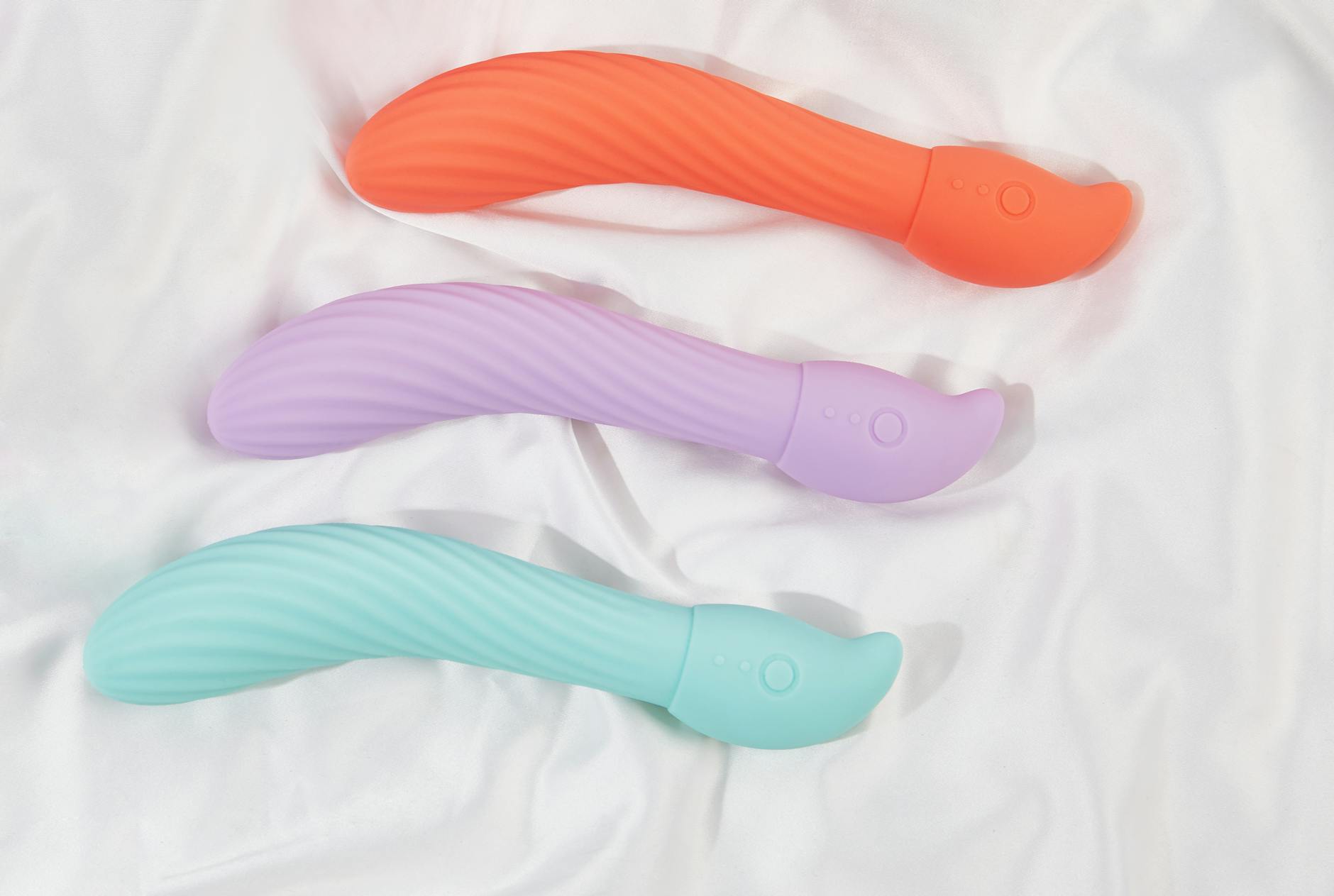
Here's what nobody tells you about pleasure and shame
You can own a lemon vibrator. You can have the privacy. You can have the time alone. And still feel absolutely locked down the moment you touch it. That's not a body problem. That's a shame problem. And shame is the one thing that doesn't respond to technique.
I've worked with hundreds of people in relationships and single folks too, and the pattern is identical. Self-consciousness doesn't just make pleasure less intense. It cuts off access to pleasure entirely. Your nervous system literally cannot relax into sensation when part of your brain is running a live commentary about whether you deserve this, whether it's weird, or whether wanting this thing makes you broken.
The good news: self-consciousness around pleasure, especially with tools like lemon clitoral vibrators, is not permanent. It's learnable. And unlearning it is one of the most direct paths to a richer experience.
Why shame shows up around pleasure in the first place
Let me separate this into two layers because they feel different in your body, even though they're related.
First, there's early messaging. Lots of us grew up in environments where pleasure was framed as something that happened to other people. Or something you only got if you had the right relationship status first. Or something that made you a certain kind of person. That stuff lives deep. It's not intellectual. It's wired into your nervous system before you even have words for it.
Second, there's the current moment shame. This is the voice that shows up when you're alone with a lemon vibrator and thinks "Is this sad?" or "What if someone knew?" or "Shouldn't I want this differently?" That layer is actually easier to work with because it's more recent and more conscious.
The reason this matters for using lemon sexual toys: vibration and suction work best when your nervous system is in what we call "rest and digest" mode. When you're running a parallel conversation of judgment, your nervous system stays in low-level fight-or-flight. Your clitoris gets less blood flow. Sensation actually decreases. So shame isn't just uncomfortable. It's functionally silencing the tool.
The reframe that actually works
Forget the mantras about "owning your sexuality" or "self-love" or any of that. That stuff is fine, but it doesn't address the nervous system piece.
Instead, think of pleasure as a form of data collection. When you use a lemon clitoral vibrator, you're gathering information. What intensity feels good today? Which pattern creates the kind of sensation that helps you relax deeper? What does your body need right now? That's not indulgent. That's maintenance. That's no different than a runner learning their body's fueling needs or someone paying attention to their sleep rhythm.
Data collection doesn't require you to feel proud of yourself. It just requires curiosity. And curiosity is something you can access even when shame is still whispering in the background.
The first three sessions matter more than you think
If this is your first time with a lemon vibrator, or your first time coming back to pleasure after shame has been silencing it, the structure of those first sessions actually rewires the nervous system response.
Session one: Just the object. Not even on. Just hold it. Get familiar with the weight, the texture, the temperature. The goal is zero arousal. The goal is your nervous system learning "this object is safe." This takes about five to ten minutes. That's it. Then stop. You've done the work.
Session two: The vibration, zero pressure. Turn it on. Not inside, not on your clitoris. Just held near your inner thigh or your lower belly. You're learning what the vibration feels like without it being about orgasm or performance. Again, five to ten minutes. You can observe without needing anything to happen.
Session three: Actual contact, your own pace. Now you can bring it to your clitoris, but keep the intensity very low. This is still information gathering. You're mapping what feels good, not chasing a specific outcome. And here's the shift: when you're mapping rather than performing, self-consciousness actually drops. Your brain has a job (noticing sensation) instead of judging.
These three sessions might take place over three days or three weeks. The timeline doesn't matter. What matters is that your nervous system is learning safety in steps, not being asked to switch instantly from shame to arousal.
What to do with the guilt that shows up anyway
You've reframed. You've done the three sessions. And there's still a moment where you feel a little weird or a little guilty. That's normal. That's not a sign you're doing it wrong.
Here's the move: name it without fighting it. "I'm noticing some guilt right now." That's it. You're not trying to logic it away or overpower it. You're just narrating it like you're a scientist observing a study participant.
Sometimes naming it is enough to lower the charge. Sometimes it takes a few cycles of noticing before the guilt loosens its grip. What doesn't work is trying to feel your way into permission. That usually just amplifies the shame because now you're ashamed of the shame.
If you're in a relationship, sometimes guilt shows up because of unspoken rules about what pleasure "should" look like or who it should involve. That's worth a separate conversation with your partner. "I want to explore what feels good for me solo," is different than "I don't want to have sex with you." But a lot of couples muddy those two conversations. If that's happening for you, that might be worth working through with a therapist or relationship coach before adding a lemon vibrator into the mix.
When to go deeper (and when professional support helps)
If shame around pleasure is connected to past trauma or violation, a vibrator won't fix that. A good somatic therapist or trauma-informed sex therapist can. That's not a limitation of the tool. That's respecting the depth of the work that needs to happen.
If shame is deeply rooted in religious or cultural background, and you're genuinely questioning whether you want to shift that at all, that's also deeper work. Some people decide that having pleasure matters more than maintaining a belief system. Some people find a way to reframe pleasure within their spiritual framework. Both are legitimate. But both usually need more than a blog post and a toy.
If you've tried the three-session approach and self-consciousness is still completely locking you down, it might be worth talking to someone who specializes in sexual shame or psychosomatic practices. Sometimes the nervous system has learned to associate pleasure specifically with danger or judgment, and that needs targeted intervention.
But honestly, for a lot of people, the shame loosens just because you've given yourself permission to approach pleasure differently. Because you've stopped waiting for external validation and started listening to your own body instead.
The permission you actually need
Your pleasure matters. Not because you're in a relationship. Not because it's "healthy." Not because I'm telling you so. It matters because it's yours. Because your body deserves to feel good. Because understanding what your body likes is part of knowing yourself.
When you use a lemon clitoral vibrator or any tool from Hello Nancy, you're not doing something weird or extra. You're doing something ordinary and human. You're gathering data about yourself. You're telling your nervous system that you're worth taking care of. And you're doing it on your own timeline, at your own pace, without anyone else's permission.
Start with curiosity instead of expectation. Stay with the three-session structure. Notice shame when it shows up without fighting it. And understand that feeling self-conscious in a culture that tells women their pleasure is optional isn't a personal failing. It's an inheritance. And inheritances can be set down.
People also ask
Is it normal to feel awkward using a lemon vibrator for the first time?
Completely normal. You've probably internalized messages that solo pleasure is private, shameful, or optional. The awkwardness is that cultural messaging meeting your body. It doesn't mean something is wrong. It means you're challenging something that was taught to you. That takes a few sessions to settle.
How long does it take to get past the self-consciousness?
It depends on how deeply the shame is rooted and how consistent you are with practice. Some people shift in a few sessions. Some take a few weeks. The key is that each time you use the vibrator without fighting the shame or forcing arousal, your nervous system is learning a new pattern. Be patient with yourself. The goal isn't to feel perfect about pleasure. It's to feel less blocked.
Can using a lemon clitoral vibrator actually help with long-term shame around pleasure?
Yes, but with caveats. The vibrator is a tool for nervous system retraining. When you use it without pressure or judgment, your body learns that pleasure is accessible. That's powerful. But if the shame is connected to something deeper like trauma or conflicting values, the vibrator alone won't resolve it. You'd want support from a therapist too.
What if I'm worried my partner will judge me for wanting to use a lemon vibrator?
That's actually a relationship conversation more than a pleasure conversation. Your partner's opinions about your body and your pleasure are important context. But your body is yours first. If you're hiding your pleasure because you're afraid of judgment, that's information about the relationship dynamic that's worth exploring. You might start by asking what's underneath their reaction, then sharing what's underneath yours.
Does self-consciousness go away completely?
For most people, it gets manageable rather than disappearing entirely. There might still be moments where you notice awkwardness or hesitation. The difference is that it doesn't stop you from exploring. You've built enough evidence that pleasure is okay that the self-consciousness is a background whisper instead of a brick wall.
How do I know if my shame is something I should work through or something I should honor?
That's the real question. Some of the discomfort around pleasure is worth questioning. Some of it might be connected to your actual values. The distinction is: does exploring pleasure feel like freedom even if it's a little awkward? Or does it feel dangerous in a way that doesn't shift? If it's the former, keep going. If it's the latter, you might need a therapist to untangle what's underneath that danger.