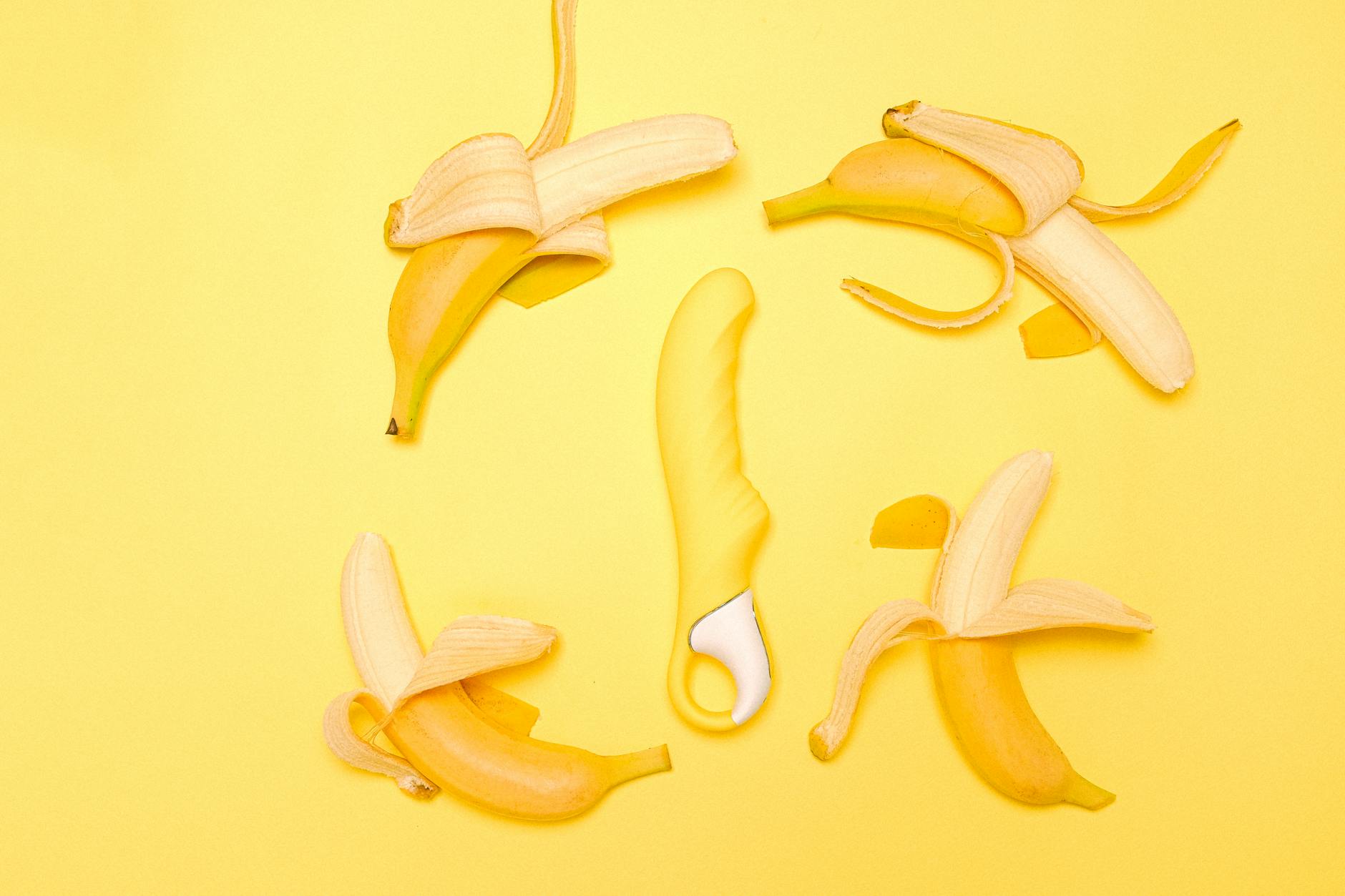
Let's talk about the thing nobody mentions
Chronic pain and pleasure aren't supposed to coexist, right? That's the story we're sold. You're supposed to choose: either manage your condition or have a sexual life. Except it's not actually a binary. You can do both. And lemon vibrators, specifically, can be a useful tool when pain is trying to steal your intimacy.
I've worked with countless clients managing fibromyalgia, arthritis, endometriosis, and other chronic conditions who thought their pleasure was collateral damage. It wasn't. They just needed different strategies.
Why lemon vibrators work better for pain bodies
Most traditional vibrators demand a lot from your body. You're gripping them, positioning them, adjusting angles for ten minutes straight. That's fine when you have unlimited stamina. When you're managing chronic pain, ten minutes of gripping is ten minutes your hand and arm are holding tension. That's ten minutes closer to a flare-up.
Lemon clitoral vibrators use suction rather than direct vibration. Here's why that matters for pain bodies: suction creates a seal and stimulates a wider area of nerve endings without requiring the same continuous pressure and repositioning. You place it, it stays, you don't have to white-knuckle it against your body for twenty minutes.
The lemon sucker design also means less direct friction on sensitive tissue, which is huge if you're managing vulvodynia, interstitial cystitis, or post-surgical sensitivity. It's gentler without being weak.
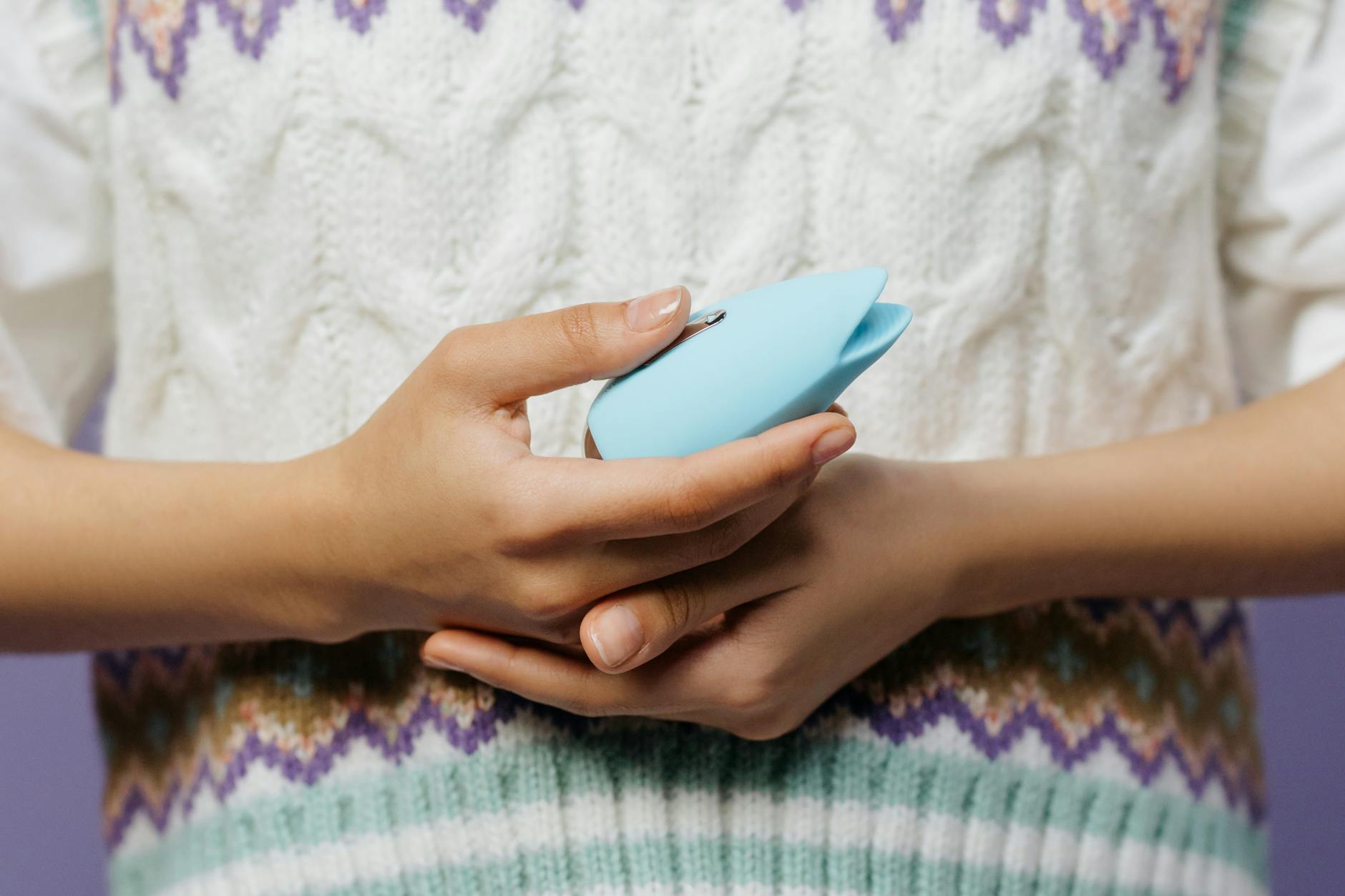
Photo by cottonbro studio on Pexels
Pain-adapted positions and setups that actually help
One of the biggest mistakes I see is that people with chronic pain try to use vibrators the same way everyone else does. They don't account for their body's actual limits.
Here are four setups that reduce strain.
Reclined with full back support. Skip the position where you're propped on one elbow. Use pillows to support your full spine, neck, and legs. Your hands should be free and relaxed. Gravity does the work of holding the lemon vibrator in place, not your muscles.
Lying flat with your partner holding it. This sounds simple but it's transformative. If you have a partner, having them hold and control the lemon vibrator means you're not managing any equipment. You're just receiving. For many people with chronic pain, this alone removes the mental load of "am I doing this right."
Side-lying with a pillow between your knees. If you have hip pain, knee pain, or pelvic floor tension, this position is often more comfortable than lying flat. It reduces the angle stress on your lower back and hips while still giving you access to stimulation.
Seated upright. Some people find lying down increases muscle tension or exacerbates pain. Sitting upright in a chair with good lumbar support, feet flat on the ground, can be the position where your body actually relaxes enough for arousal to build.
The pattern here: stop trying to squeeze into the Instagram version of sex. Find the position where your pain is the quietest, then work from there.
Pacing and the reality of pain flare-ups
Here's the hard truth that nobody says out loud: sometimes you're going to start using a lemon vibrator and halfway through, your pain is going to spike. You're going to have to stop.
That's not failure. That's just the reality of having a body that doesn't always cooperate.
The most helpful thing you can do is mentally separate starting from finishing. You're not aiming for a perfect orgasm every time. Some sessions will be exploratory. Some will be five minutes because that's all your body has. Some will be you and your partner just enjoying closeness without pressure toward a specific outcome.
One client I worked with had fibromyalgia so severe that she could only engage with pleasure for about eight to twelve minutes before pain ramped up. Instead of aiming for traditional orgasm, she and her partner used lemon vibrators for short, regular bursts of stimulation. Not goal-focused. Just connection. Her pleasure returned, but on a totally different timeline than before.
Medications and interactions you should know about
Certain pain medications affect arousal, sensation, and orgasm. I'm not here to tell you which medications to take. That's between you and your doctor. But I am here to tell you that if your pain medication is lowering your arousal or making orgasm harder, that's worth discussing with your doctor and potentially relevant to whether a lemon clitoral vibrator will feel effective.
Some people find that using a vibrator an hour after taking pain medication (when the medication has kicked in but before drowsiness hits) is the sweet spot. Others find that taking it at a different time of day helps. This is entirely individual, and worth experimenting with when you have your own safe space to explore.
Also: if you're using a topical pain relief cream on your vulva, check the ingredients before using a vibrator. Some numbing creams can degrade silicone over time, and some aren't designed to be used with moisture or pressure. A quick conversation with your doctor or a sex therapist can clarify what's safe to combine.
Communication with partners when pain shows up
I want to be direct here. Many people with chronic pain have been taught that their body is a problem to their partner. That their pain is an inconvenience. That they should push through it.
None of that is true, and it's the worst foundation for pleasure.
If you have a partner, the conversation needs to be less "I'm sorry I can't do this" and more "Here's what my body can do, and here's what I need from you." That might mean: "I need you to hold the lemon vibrator while I relax." Or "I need to stop at fifteen minutes even if I don't orgasm." Or "I need to go slower."
A partner who loves you will be grateful for the clarity. They will prefer knowing what you need to knowing that you're gritting your teeth through pain to please them.
When to bring this up with your doctor or therapist
Talk to your doctor if:
Organ damage or surgical history is involved. Some chronic pain conditions have histories with surgery, and you want to make sure vibrators are safe for your specific tissues and healing status.
Your pain has recently changed. If you've had a flare-up that's shifted your symptoms, it's worth a check-in before adding new stimulation.
You're also dealing with depression or anxiety. Chronic pain and mental health are deeply linked. A therapist who understands both pain and sexuality can help you navigate the emotional side of reclaiming pleasure when your body feels unsafe.
Your doctor or therapist might also suggest pelvic floor physical therapy, which can be genuinely life-changing for pain during intimacy. That's not a replacement for pleasure tools like lemon vibrators, but it's often an excellent companion.
The real goal here
Chronic pain is exhausting. It's isolating. It convinces you that you're broken in ways that matter. One of the ways it wins is by making you believe that pleasure is off the table.
It's not. You're not broken. Your body has real constraints that deserve respect, and within those constraints, pleasure is still possible. Sometimes it looks different than before. Sometimes it requires adaptation and honesty. But it's there.
A lemon vibrator isn't a cure. It's not going to fix your pain. But it can be a way back to your body that doesn't require you to override what your body is actually telling you. That matters.
FAQ on lemon vibrators and chronic pain
Can I use a lemon vibrator during a pain flare-up?
It depends on the flare. If your pain is localized to an area you're not stimulating, lemon clitoral vibrators are often fine. If your whole nervous system is heightened, stimulation might amplify pain signals. The best approach is to notice the pattern. Some people find that gentle suction actually helps nervous system regulation during mild flares. Others need to rest. Your body will tell you, but you have to listen without judgment.
Do lemon vibrators help with pain relief or just pleasure?
They're not a treatment for chronic pain. But they do trigger endorphin release, which can temporarily reduce pain perception. Some people report that using a lemon sucker helps them relax muscles that have been tense from guarding against pain all day. That's a secondary benefit, not the primary goal.
What if I can't orgasm because of my pain medication?
Orgasm doesn't have to be the goal. Pleasure can be sensation, connection, relaxation, or just time with your body that doesn't involve managing symptoms. If you want to explore orgasm, that's a conversation for your doctor about medication timing or adjustment. But if you're using a lemon vibrator for intimacy without orgasm as the target, that's completely valid and honestly, often more sustainable.
Are there positions I should avoid if I have arthritis?
Avoid any position where your hands, wrists, or shoulders are bearing weight or holding tension. This means skip gripping a vibrator for extended periods, skip positions where you're propped on your hands, and skip anything where you're reaching at an awkward angle. Reclined or supported positions where your partner does the work are usually easier.
Can I use a lemon vibrator if I have vaginismus or pelvic floor dysfunction?
Very carefully, and ideally with guidance from a pelvic floor physical therapist. Some people with vaginismus find that suction vibrators are gentler than traditional ones because they don't require internal penetration. Others find that any stimulation during a flare makes tension worse. A professional who knows your history can help you figure out what's safe for your specific situation.
Will using a lemon vibrator make my pain worse over time?
Not if you're listening to your body and stopping when you need to. The issue isn't the vibrator. It's pushing through pain trying to match an external standard. Use a lemon clitoral vibrator the way you'd use any other wellness tool: with attention to your limits and willingness to adjust. If something consistently makes pain worse, stop and explore why with a professional.
Your pleasure matters, pain and all
I've been doing this work long enough to know that when people with chronic pain reclaim their sexual selves, everything shifts. Not the pain. The pain doesn't disappear. But the relationship to your body changes. You stop seeing it as only a problem and start seeing it as something that can still offer you joy, even with constraints.
Lemon vibrators are one tool for that. They're designed to ask less of your body while delivering real sensation. That's not a compromise. That's just smart adaptation.
If you want to explore this further, we're here to help. Questions about how a lemon vibrator might work for your specific situation? Get in touch.