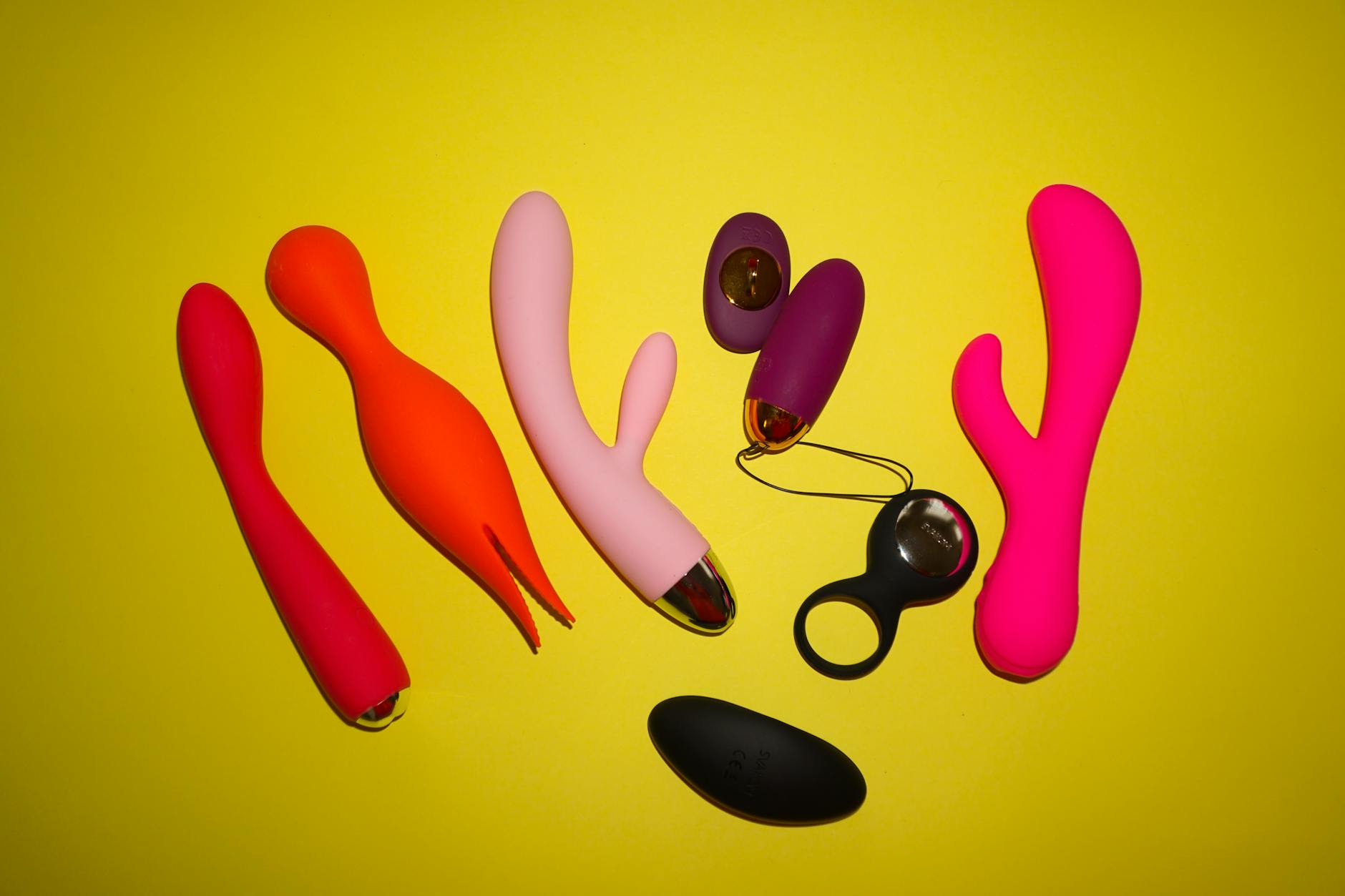
How to Use Lemon Vibrators When Age Gap Relationships Have Mismatched Pleasure Needs
Let's be real: age gap relationships aren't inherently broken. But they do come with a specific tension that no one talks about clearly. It's not about maturity or judgment. It's about pleasure timelines.
One partner might be heading into their sexual prime while the other is navigating midlife tissue changes. One person's arousal takes five minutes. The other's takes twenty. One wants to climb walls. The other wants slow, focused sensation. These aren't character flaws. They're biology. And they're fixable.
Here's where lemon clitoral vibrators like the Lem change everything. They're not a band-aid for incompatibility. They're a tool for synchronizing two different pleasure rhythms without making either person feel rushed, inadequate, or invisible. That's harder than it sounds, and it matters more than you might expect.
Why pleasure timelines diverge in age gap relationships
It starts with hormones, but it's not just menopause. Testosterone availability shifts differently in everyone. A 35-year-old and a 55-year-old might have wildly different baseline arousal speeds, sensitivity thresholds, and recovery periods.
But here's what usually happens: instead of naming it, couples create workarounds that breed resentment. The faster partner feels like they're waiting. The slower partner feels rushed or inadequate. Both people assume the mismatch is personal when it's actually chronological.
The real problem isn't the gap itself. It's that most couples don't have a language to talk about what they're actually experiencing during sex.
How lemon vibrators recalibrate the equation
Lemon sucker vibrators work differently than traditional wand vibrators. They use air-pulse suction instead of friction, which means they stimulate in a way that bypasses a lot of the pressure-based desensitization that creeps in over time.
That's crucial in age gap couples because it lets both partners access intense sensation on their own timeline. The slower partner gets faster, more concentrated pleasure without feeling like they're holding the faster partner back. The faster partner gets the intensity they want without waiting for their partner's body to catch up. Neither person has to perform or suppress.
This isn't about one person "using a toy instead of their partner." It's about both partners accessing their own peak sensation simultaneously, which actually makes shared pleasure possible.
The timeline conversation you need to have first
Before you introduce any tool, you need to separate the logistics from the emotions. Have this conversation outside the bedroom, over coffee, with no pressure.
The questions to ask each other:
- How long does arousal usually take you to build?
- Where does your sensation feel strongest?
- Does your arousal peak and stay, or does it build in waves?
- What percentage of the time do you actually orgasm during partnered sex?
- Are you satisfied with that percentage, or is there friction?
Notice you're not asking "do you love me" or "is our sex bad." You're asking for data. Most couples have never had this conversation, which means they're operating on assumptions about what the other person actually wants.
Once you know the timelines, lemon clitoral vibrators become a specific solution instead of a generic workaround.
How to introduce a lemon vibrator without defensiveness
This is where age gap couples often stumble. The younger partner might worry they're being replaced. The older partner might feel defensive about their changing body. The person suggesting the tool might feel like they're criticizing their partner's capacity.
Avoid this by framing it as expansion, not substitution. Try: "I want us both to feel amazing at the same time, and I don't think our current rhythm lets that happen. I found something that might help us sync better."
Show your partner how it works. Let them hold it. Let them feel the sensation on their palm first. Remove the mystery before you remove the clothes.
The first time you use it together, don't aim for an orgasm. Aim for information. How does the sensation feel? Where does it work best? What intensity does their body respond to? You're collecting data, not performing.
Using lemon vibrators across different arousal speeds
Here's the practical part. Let's say your timelines are:
Partner A: arousal takes 8-10 minutes, peaks in 15-18 minutes, orgasm is reliably possible with clitoral focus.
Partner B: arousal takes 20-25 minutes, peaks over 20-30 minutes, orgasm requires sustained, concentrated sensation.
Traditional sex timing? One person gets bored or loses focus. Resentment builds. A lemon vibrator rewrites this.
Start with Partner B. Begin foreplay with them first. Spend your typical 10 minutes on whatever usually gets them going. At the 10-minute mark, introduce the lemon vibrator on a low setting. Partner A can handle penetration, manual stimulation, or their own self-pleasure while Partner B builds with the concentrated sensation of the vibrator.
By the time Partner B has built to their peak (around 20-30 minutes total), Partner A has had sustained stimulation without feeling neglected. When Partner B climaxes, Partner A can join in, or can continue toward their own climax with the vibrator.
Neither person waited. Neither person felt abandoned.
The key: lemon vibrators give both partners agency over their own sensation. That's what kills the resentment.
The permission piece that actually matters
Here's what age gap relationships often carry beneath the surface: the older partner worries they're not enough. The younger partner worries they're being ungrateful or demanding. Both people are performing versions of desire that might not be authentic.
When you introduce a lemon vibrator—especially a clitoral vibrator designed for concentrated sensation—you're actually giving permission. Permission to want what you want. Permission to build arousal at your own pace. Permission for sex to look different than whatever cultural narrative you inherited.
That permission is worth more than the vibrator itself.
Many couples report that after a few times using a lemon vibrator together, their sex improves even when they're not using it. Why? Because they finally talked about what they actually felt. They stopped assuming. They stopped performing.
Managing the vulnerability that comes up
Let's not pretend this is just logistics. Using a vibrator together can bring up feelings about adequacy, aging, desire, and power dynamics. In age gap relationships, those feelings run deeper because the age difference itself is already loaded with cultural commentary.
Your partner might feel insecure. You might feel guilty for wanting something different. Both of these feelings are valid and also not reasons to pretend the mismatch doesn't exist.
Name the feeling. "I notice you seem uncomfortable. That makes sense to me. This is new." Then give it time. Most of the discomfort dissolves once the physical experience proves that a lemon vibrator actually brings you closer together, not further apart.
The science of synchronized pleasure
When both partners orgasm in close proximity—especially when each person has direct access to the sensation that works for them—the neurological reward is different. The bonding chemical oxytocin spikes higher. The sense of being truly known increases. The next time you have sex, there's less anxiety because you've proven the rhythm works.
This is why lemon clitoral vibrators specifically matter in age gap relationships. They're not a compromise tool. They're an amplification tool. They let both partners access their strongest sensation at their own pace, which paradoxically brings you closer together than trying to sync manually ever could.
When to recalibrate
Bodies change. What worked for you at 45 might feel different at 50. What worked at 35 might shift at 40. Check in every few months without shame. "Is this still working for you? What would feel better?"
Age gap couples have an advantage here if they lean into it: you're already used to navigating difference. You already know your bodies are on different timelines. Use that awareness to stay curious instead of resentful.
Consider exploring different settings on your lemon vibrator. The Lem comes with multiple intensity levels specifically because what feels amazing one week might feel overwhelming the next. That's not failure. That's information.
The bigger picture: pleasure as a practice, not a performance
In the end, using a lemon vibrator in an age gap relationship isn't about the tool. It's about choosing to prioritize both people's actual experience over both people's assumptions about what sex "should" look like.
That choice—made together, repeatedly, with honesty—is what sustains long-term desire in any relationship, but especially in ones where the bodies on either side of the gap are literally operating on different biological timelines.
Your pleasure matters. Both of your pleasures matter. A lemon vibrator just makes that easier to prove.
People also ask
Why do pleasure timelines differ so much in age gap relationships?
Hormone levels, tissue sensitivity, and neurological arousal patterns shift throughout life. A 35-year-old and a 55-year-old aren't operating from the same physiological baseline. That's not a judgment. It's biology. The faster your baseline arousal speed, the more likely you'll feel impatient during slower buildup. The slower your timeline, the more likely you'll feel rushed. Neither is wrong. They're just different frequencies.
Can lemon vibrators actually fix incompatibility in age gap couples?
No tool "fixes" incompatibility, but lemon vibrators eliminate a specific type of friction: the one where you're trying to force two different arousal timelines into the same rhythm. By letting each partner build sensation independently and simultaneously, you're not fixing anything. You're removing the bottleneck that was creating resentment. That's different.
How do I bring this up without making my partner feel inadequate?
Frame it as synchronization, not substitution. Use data instead of feelings. "I've noticed arousal takes me longer than it takes you. I want us both to feel amazing at the same time. This might help us get there together." Then show them how it works before you use it. Mystery is what triggers defensiveness. Information is what builds curiosity.
Are lemon clitoral vibrators actually different from regular vibrators in age gap dynamics?
Yes. Lemon vibrators use air-pulse suction instead of friction, which means they work differently on tissue. For people with different sensitivity levels or arousal speeds, that difference matters. A lemon vibrator can deliver intense sensation without the pressure-based buildup of traditional vibrators, which helps both partners access their peak sensation independently.
What if my partner is resistant to using anything during sex?
Resistance usually isn't about the toy. It's about what the toy represents: evidence that the current situation isn't working. That's scary. Start by acknowledging the fear. "I know this feels weird. I'm not saying you're not enough. I'm saying I want us both to feel our best." Then move slowly. Let them see, hold, and understand the tool before you use it together. Curiosity beats pressure every time.
How often should we use a lemon vibrator if we have mismatched pleasure needs?
There's no rule. Some couples use it every time because it works. Others use it occasionally and have learned enough from the experience that their non-vibrator sex improves too. The goal is to dissolve the frustration that comes from mismatched timelines. Once that's gone, you can use whatever feels good. The tool served its purpose.
If you're navigating pleasure mismatches in your relationship, whether or not there's an age gap involved, the conversation matters more than the tool. If you want support thinking through how to have that conversation with your partner, reach out. My Lemma Sager is here to help you explore what actually works for your specific dynamic.
For more on bridging different pleasure needs with your partner, explore how lemon vibrators work with different arousal timelines and strategies for reconnecting after years of routine.