The conversation no one talks about after surgery
You've had a procedure. Maybe hysterectomy, maybe pelvic floor surgery, maybe something unrelated to your reproductive system entirely. The medical team has given you the basics: no heavy lifting, no penetrative sex, rest for six weeks. What they haven't explained is what happens to your sexual pleasure during recovery. If you're partnered, that confusion multiplies. If you're single, the silence feels like the answer itself.
Here's the thing: medical recovery and sexual pleasure aren't mutually exclusive. They're on different timelines, and learning the difference changes everything.
Why lemon vibrators matter during recovery
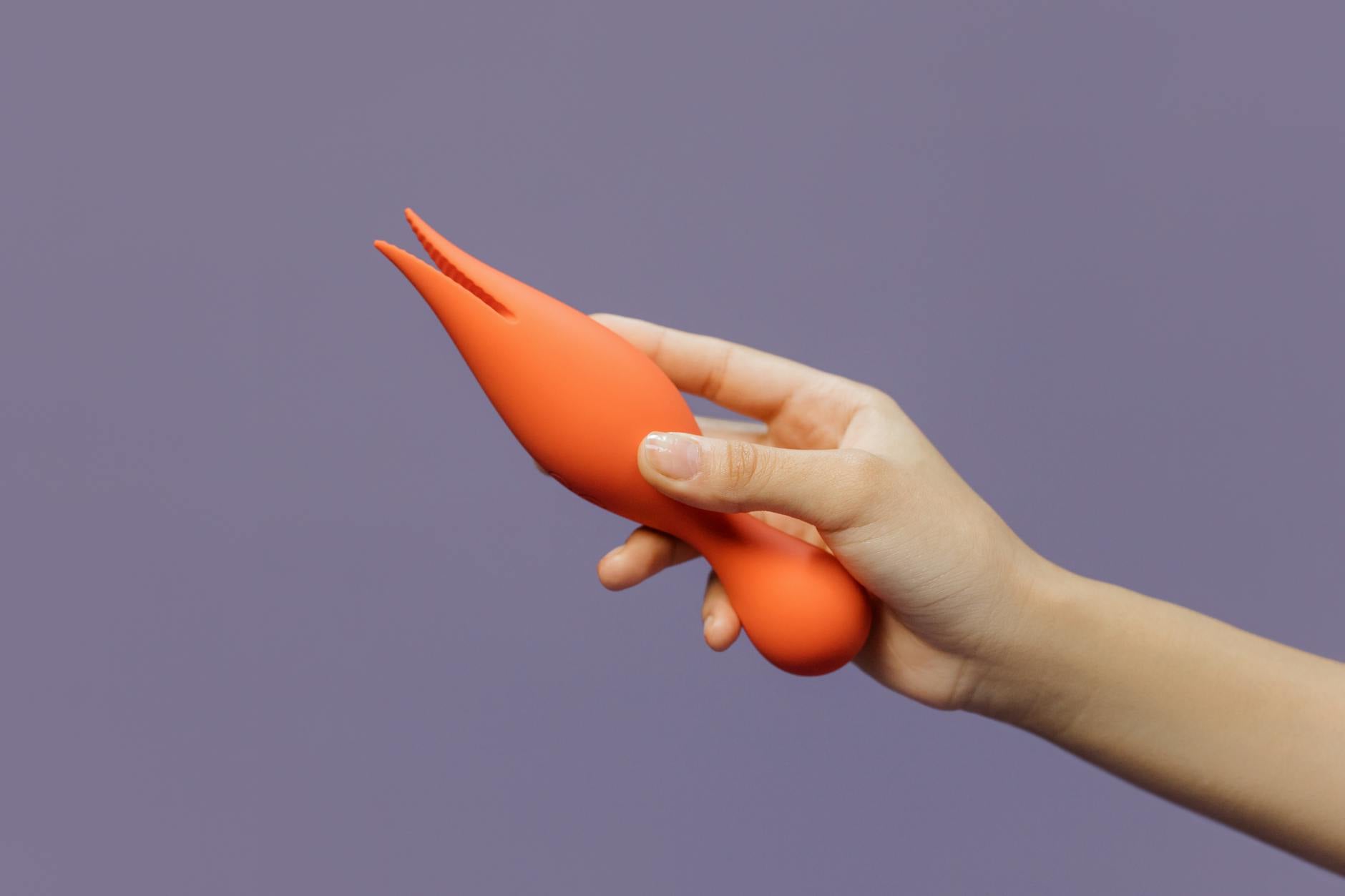
Lemon clitoral vibrators, including suction-based toys like the Lem, work differently than traditional vibrators. They stimulate external tissue using gentle suction and air-pulse patterns rather than direct penetrative or aggressive friction. This matters profoundly post-surgery because your body's healing trajectory is partially about protecting newly repaired or sensitive tissue.
Unlike traditional vibrators, which require more direct pressure and movement, lemon vibrators can deliver pleasure safely in ways that honor your recovery timeline. The gentleness of suction-based stimulation means you're not introducing aggressive mechanical pressure to healing tissues. You're offering your nervous system the sensation it's been missing, which actually supports emotional and relational recovery as much as physical healing.
The medical timeline that matters
Most post-surgical restrictions are staged. Your surgeon's "no penetration" order typically lasts four to eight weeks, depending on the procedure. But that doesn't mean external genital pleasure is forbidden from day one.
Here's what actually happens week by week:
Weeks 1-2: Swelling and immediate pain management phase. Touching the surgical site at all is a no. Your focus is on painkillers, hydration, and gentle movement. Skip vibrators entirely.
Weeks 2-4: Early healing. Internal tissues are still repairing, but external swelling is starting to reduce. If you have zero pain and your surgeon has cleared light activity, exploring external stimulation very gently is possible. But this is not the time to reach for a lemon vibrator yet.
Weeks 4-6: Intermediate healing. This is where clitoral vibrators often become safe, depending on the procedure. Your surgical site may still be tender, but external tissue is typically stable enough for gentle stimulation. A lemon vibrator's lower-intensity patterns are excellent here.
Weeks 6+: Cleared for penetration. If your surgeon has given the go-ahead for penetrative activity, you're also safe to use any lemon vibrator at full intensity.
The key variable is what was actually done. Pelvic floor surgery, hysterectomy, and cesarean delivery all have different healing curves. Gynecological procedures differ from abdominal surgery. An appendectomy is not the same as a laparoscopic hysterectomy. Ask your surgeon specifically about external genital stimulation, not just "sex."
Starting conversations with your medical team
Many people don't ask because they assume the answer is no, or they're embarrassed. Medical providers usually aren't. If you're seeing a gynecologist, a urogynecologist, or even a general surgeon, bringing it up directly shortens the guessing game.
Framing matters: "I'm interested in when it's safe to resume external genital stimulation" is clinical enough to signal you're asking a medical question, not making conversation. Your provider can then tell you whether weeks four or six is realistic for your specific procedure.
If your doctor seems dismissive or uncomfortable, that's information too. Consider finding a provider who takes sexual health seriously as part of overall recovery. Many gynecologists now do.
How to safely reintroduce a lemon vibrator
Assuming you've got medical clearance, here's the practical roadmap:
Start with external exploration, no toy. Spend a few days just touching your external genitals gently under warm water in the shower. This reestablishes the nervous system connection and signals to your body that healing is progressing. You'll feel where sensitivity has returned and where residual numbness or tenderness lingers.
Introduce the lemon vibrator on its lowest setting. If you're using a device like the Lem, start on pattern one. Not patterns two through five. Pattern one. Spend five to ten minutes exploring how it feels. There's no "goal." You're gathering information about sensation and comfort.
Keep lubrication on hand, even externally. Post-surgery, tissue can feel drier or more reactive than before. Water-based lubricant reduces friction and makes the experience more comfortable. It's not a sign something's wrong. It's a tool.
Build intensity gradually over multiple sessions. Don't go from pattern one to full speed in one sitting. Spend two to three sessions at each intensity level. Your nervous system needs time to remember how pleasure feels and how to respond to it.
Pay attention to pain versus sensation. There's a difference. Sensation might feel unusual, tingling, or heightened. Pain that's sharp, burning, or escalating is a stop sign. If you hit pain, dial back intensity and check in with your surgeon before progressing.
Managing expectations with a partner
If you're in a relationship, your partner's feelings about your recovery matter too. Many partners feel guilty about taking pleasure off the table, or they're uncertain whether they're "allowed" to participate in your healing.
Honestly? Involving your partner in recovery often strengthens both of you. That doesn't mean intercourse. It means being in the room while you explore, offering to apply warm compresses to sore areas, or simply being present when you use a lemon vibrator.
Many couples find that post-surgical exploration actually deepens connection because it's intentional and gentle rather than routine. The pressure of "normal sex" lifts. What's left is curiosity and presence, which is rare in most relationships.
Talk about it before you start: "I'd like to reintroduce some pleasure as I heal. Would you want to be present for that, or would you prefer privacy?" His or her answer tells you what they need too.
The emotional side of pleasure during recovery
Physical healing is only part of the story. Surgery disrupts your sense of embodiment. You've been told your body is broken, that it needs fixing, that you need to pause. Reclaiming pleasure, even gently, is profoundly healing emotionally.
Many of my clients report that reintroducing lemon clitoral vibrators post-surgery was less about reaching orgasm and more about remembering they could feel good. That sensation wasn't erased by surgery. That their body still worked.
That psychological shift matters. It accelerates overall recovery because your nervous system isn't in high alert anymore.
When to hold off longer
Some procedures demand a longer timeline. If your surgery involved significant internal reconstruction, pelvic floor work, or nerve repair, your surgeon might recommend waiting eight to twelve weeks before any external stimulation. Respect that boundary.
If you're experiencing chronic pain post-surgery, pelvic floor physical therapy should happen before you're using vibrators. A pelvic floor specialist can assess whether your muscles are ready for the feedback that stimulation provides.
And if you're on heavy painkillers, recognize that they blunt sensation. You might not feel discomfort that signals a problem. Waiting until you're off strong opioids before introducing vibrators is often wise.
The recovery timeline no one prepares you for
Physical healing takes weeks. Emotional recovery takes longer. How to regain pleasure after extended periods without intimacy dives deeper into that emotional arc, especially if your surgery has disrupted your relationship rhythm.
What matters right now is knowing that lemon vibrators can be part of your recovery toolkit. They're not frivolous. They're not disrespectful to your healing body. They're a way of honoring that pleasure and recovery can coexist.
If you've felt guilty about wanting that pleasure back, let that go. Your body's capacity for sensation is not a casualty of surgery. It's waiting for you to feel ready.
FAQ: Lemon vibrators and post-surgical healing
How long after surgery is it safe to use any vibrator?
It depends on the procedure, but most surgeons clear external genital stimulation around weeks four to six post-op, assuming no complications. Penetrative toys or internal vibrators usually require full medical clearance at six to eight weeks. Always ask your surgeon specifically about external clitoral stimulation, not just "sex." They'll give you a clearer answer.
Will using a lemon vibrator delay my surgical recovery?
No. External genital stimulation doesn't interfere with internal healing. In fact, the nervous system activation can support overall recovery by reducing stress and signaling to your body that healing is progressing. Just make sure you have medical clearance first and you're not putting pressure directly on your surgical site.
Can I use a lemon clitoral vibrator if I'm still experiencing numbness post-surgery?
Often yes, but with caution. Numbness can take weeks or months to fully resolve after surgery, especially if nerves were affected. A lemon vibrator on a low setting can actually help reawaken sensation by giving your nervous system gentle, consistent input. Start at the lowest intensity and progress slowly. If numbness extends beyond eight weeks, mention it to your surgeon.
Is it normal to feel different sensations when using a vibrator post-surgery?
Completely normal. Surgery changes tissue, swelling patterns, and how your nerves fire temporarily. You might feel more intense sensation, tingling, or even less sensation than before. These differences typically normalize over three to six months. Use that as data, not as a reason to panic. If sensation feels completely absent at six months, check in with your doctor.
Can my partner use a lemon vibrator on me during post-surgical recovery?
Yes, if you're medically cleared. Many couples find partner-assisted pleasure during recovery actually deepens connection. Your partner can control intensity and pace, which removes pressure from you to perform. Just make sure communication is clear about what feels good and what doesn't. Start slow and build from there.
What if I experience pain when using a lemon vibrator post-surgery?
Stop immediately and note where the pain is. Sharp pain, burning, or escalating discomfort means something isn't ready yet. Wait another week or two and try again at a lower intensity. If pain persists across multiple attempts, mention it to your surgeon. Occasional mild discomfort or tingling is normal. Genuine pain is your body's stop signal.
Recovery is a process, not a race. Your pleasure matters as part of that process. When you're ready, a lemon vibrator can be a gentle, joyful way to tell your body that healing is working and that you're ready to feel good again.