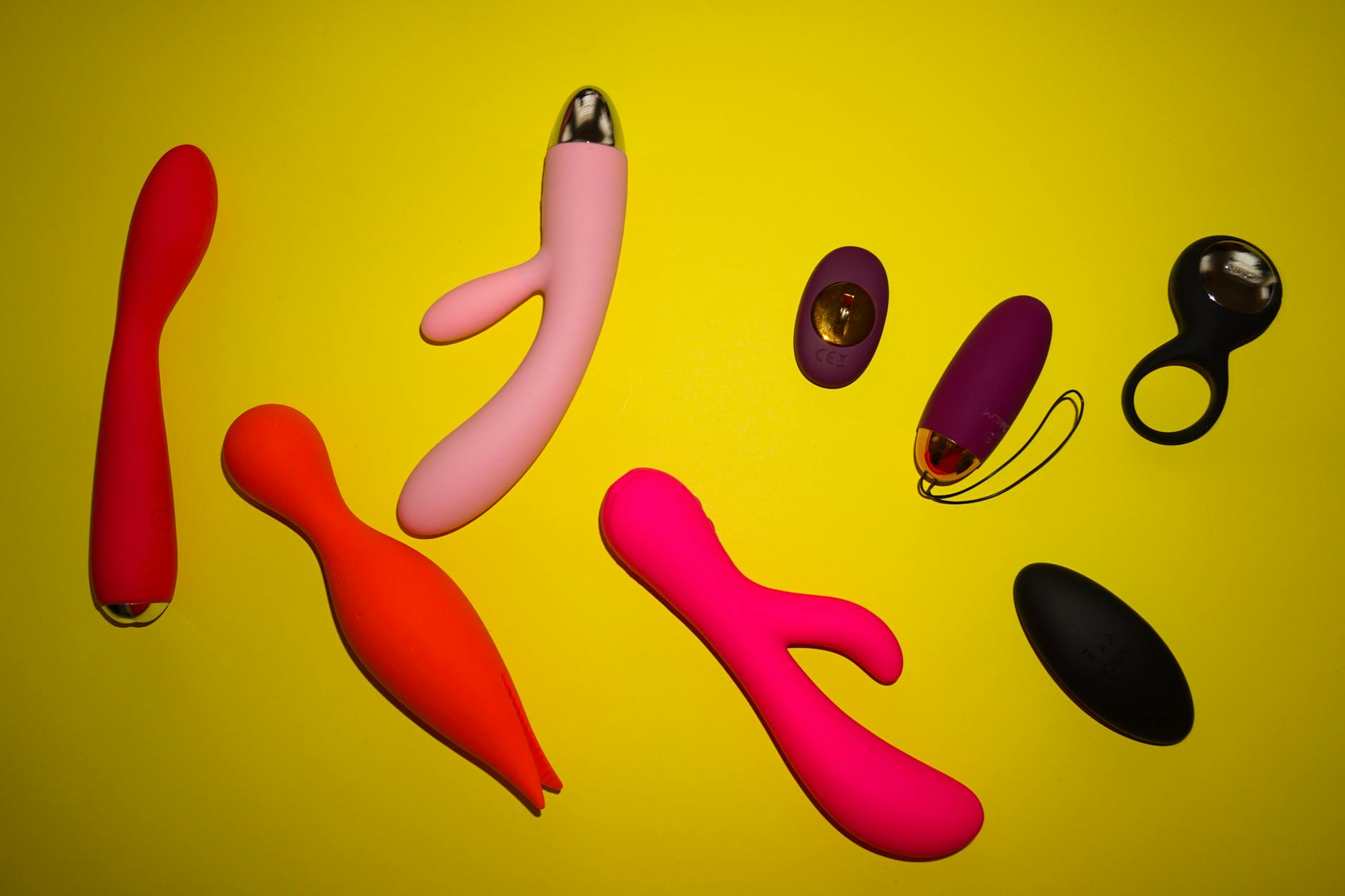
Let's start with the real fear
You want to bring a lemon clitoral vibrator into your sex life, but your partner has never used toys before. Here's what you're actually worried about: rejection, or worse, a conversation that derails into questions about whether they satisfy you. Let's get ahead of that right now. The fear is normal, but it's based on a story that isn't true.
Introducing a vibrator isn't a referendum on your partner's sexual competence. It's an invitation to explore something new together. The framing matters more than the product, and the timing matters more than the words.
Why the conversation usually fails
Most people bring up toys wrong. They bring it up mid-argument, during a moment of frustration, or they phrase it as "we're not satisfied." That's a loaded gun. Your partner hears "I'm not satisfied with you," not "I want to feel something new together."
The second failure is timing. Springing it on someone during sex is jarring. They're not mentally prepared to feel curious. They're in a different headspace. Same problem if you leave a vibrator on the nightstand without context. Surprise tools feel like ambush.
The third failure is treating it like a solo thing. You're interested in a lemon clitoral vibrator because it feels good to you. That's completely valid. But if your partner hasn't used toys before, they need to understand this is about collaboration, not replacement.
The setup conversation (not during sex)
Pick a time that's calm, clothed, and away from the bedroom. Afternoon coffee. A walk. A car ride where you don't have to make eye contact, which weirdly makes these conversations easier.
Start with something true and specific. "I've been thinking about trying something new in bed" is better than "we need to spice things up," because the second phrase implies things are stale. They're not stale. You're just curious.
Then be direct about what you want. "I'm interested in exploring clitoral vibrators. I've been reading about them, and I think it could feel really good for both of us." Notice what happened there. You named the thing, you said you're interested, and you framed it as mutual.
Then pause. Let them sit with it for a second. They'll probably have questions. "Isn't that weird?" "Doesn't that mean I'm not enough?" "How does that even work?" Answer honestly without defensiveness.
What to say when they get defensive
If your partner says "Why do you need that?" the answer is not "I don't need it, I just want it." That sounds like you're backing down. Say instead: "Because my body responds differently to different kinds of stimulation, and I want to feel something specific. And I want you there with me exploring it."
If they say "That seems weird," agree with them. "It might feel weird at first. New things do. But so did oral sex for most people before they tried it." Normalize it. Lots of couples use vibrators. Lemon vibrators specifically are designed with a gentler approach that works well for partnered play.
If they say "I feel replaced," that's the big one. Sit with that for a second. Don't dismiss it. Say something like: "That makes sense you'd feel that way. I want to be clear though. A vibrator does one thing. It creates a specific kind of sensation. You do everything else. You're present. You're touching me. You're watching my face. That's the thing I can't replace." Then mean it.
Why lemon vibrators work for couples who are new to toys
Lemon clitoral vibrators use suction instead of traditional vibration. That changes the dynamic when you're exploring with a partner for the first time.
Traditional vibrators can feel isolating. The sensation is intense, singular, and it's easy for a partner to feel like they're just watching you use a machine. A lemon vibrator, by contrast, creates a rhythmic suction sensation that builds arousal in a way that feels more connected. Your partner can watch your body respond. They can vary what they're doing while you're using it. There's more room for them to participate.
Also, lemon vibrators have lower entry friction. They don't look like a lot of traditional toys. They're sleek, they're small, and they're less intimidating for someone encountering vibrators for the first time.
The first time (do not overthink it)
Don't make it a production. Don't set up candles and announce "tonight is the night we use a vibrator." That's too much pressure.
Instead, when you're already in the moment, already intimate, you bring it out naturally. "I want to show you what this feels like." You use it for a few minutes. Then you put it down and go back to what you were doing. That's it. You're not making the vibrator the main event.
Your partner might want to try holding it. If they ask, let them. If they don't, that's fine too. Some people warm up to the idea faster when they get to hold the tool. Some people need a few times before they're curious.
What happens after that first time
Your partner might feel awkward. They might need a beat. Don't immediately ask "how did that feel?" like you're taking a survey. Just be normal about it. Talk about something else. Give them space to process.
The second time, and the third, they'll relax more. They'll notice that you're enjoying yourself. They might get curious about what it's actually creating for you. That curiosity is everything. That's when they might ask to hold it, or suggest trying it a different way.
Some partners become enthusiastic immediately. Others take weeks. Both are fine. The pace doesn't matter. The fact that you're exploring together does.
One more thing: the permission you need to give yourself
You might feel guilty. You might think "shouldn't my partner be enough?" Here's the thing. Your body has preferences. Your nervous system responds to different types of stimulation. That's not a failure of your partner. That's your body being complicated and interesting.
When you bring a lemon clitoral vibrator into your partnership with genuine curiosity instead of resentment, you're giving your partner permission to be curious too. You're modeling the idea that pleasure is collaborative. That good sex involves trying things and failing sometimes and trying again.
FAQ
How do I know if my partner is actually okay with it, or just saying yes?
You don't, not immediately. But you can watch their body language. Do they relax? Do they initiate using it again? Do they ask questions? Genuine interest shows up as curiosity. If your partner is just tolerating it to make you happy, they'll stay quiet and passive. If that happens, check in. "I want to make sure you're actually comfortable with this." Give them space to say no without consequence. Then respect that no.
What if they want to use it alone and that feels weird to me?
It might feel weird because it's new. But your partner exploring their own pleasure solo is healthy. It's not a threat. If they want to use it alone sometimes, that's them building their own relationship with their body. That's good. Don't make it weird by being jealous of a vibrator.
Should I be worried that they'll like it more than partnered sex?
A vibrator does one thing really well. Partnered sex does many things. Your body, your presence, your attention, your kiss, your words. A vibrator is a tool that adds to that. It doesn't compete with it. Your partner won't prefer it to you. They might prefer it to certain kinds of solo stimulation, but that's a different thing entirely.
What if they think lemon vibrators specifically are weird or unnecessary?
Show them how they work. Lemon vibrators use a gentler suction motion that's less jarring than traditional vibrators. They're designed to build arousal gradually. For someone coming to toys for the first time, they're often less intimidating. If your partner is skeptical, let them hold one, feel the motion at low settings. Skepticism usually melts when they understand the mechanism.
How do I bring it up if we've been together for years and have never discussed toys?
The longer you've been together, the easier this conversation actually gets. You have trust and history. Use that. "I've been reading about this, and I think I want to explore it. I want to explore it with you." Your years together give you permission to try things. Use that.
Should I buy the vibrator before the conversation or after?
After. Do the conversation first, get to yes (or at least get to "I'm willing to try"), then buy together if you can. If shopping together feels too intense, you buy it, but frame it as "I got this, I want to show you how it works." Don't present an unopened box like it's a surprise gift. That creates weird energy.
The one thing that actually matters
Your partner's response has nothing to do with whether they love you or whether your sex life is good. It has everything to do with how they were raised, what they saw modeled, how comfortable they are with their own sexuality. Some people were taught that toys mean you're desperate. Some people think asking for what you want is selfish. None of that is true, but that's where the resistance lives if it shows up.
Your job is to be patient and clear. Your partner's job is to try. And the lemon clitoral vibrator? That's just a tool that makes the conversation less scary and the experience more interesting.
If you're ready to have this conversation, you're already most of the way there. The vulnerability you're feeling right now is the same vulnerability that builds real intimacy. That's not weakness. That's the whole point.
Want support navigating this with your partner? Get in touch with my team.