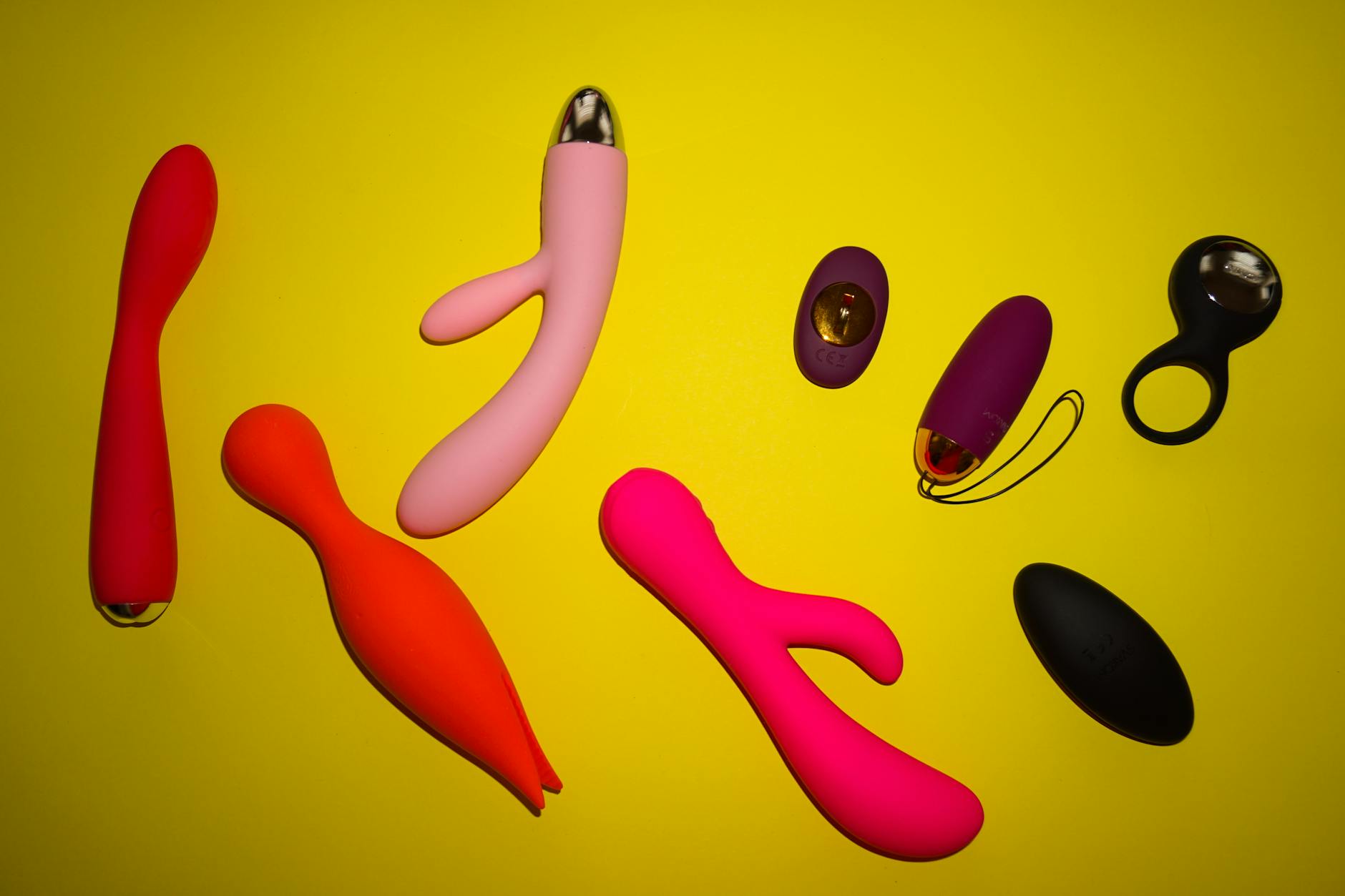
Here's the thing about numbness
Years of stress, medication, hormonal shifts, or just plain disconnection can dull your clitoral sensation until pleasure feels like watching it through frosted glass. You're not broken. Your nerve endings didn't disappear. But the neural pathways that fire when you're touched? They've gone quiet. And when traditional vibrators don't wake them up, most people assume the problem is permanent. It's not.
Suction-based lemon vibrators work differently than standard vibration. Instead of friction, they use gentle rhythmic pressure changes that stimulate dormant nerve clusters from an entirely new angle. For people with years of numbness, this shift in stimulation type often unlocks sensation that direct vibration never could.
Why numbness happens in the first place
Numbness isn't usually a single cause. It's a stack.
Chronic stress floods your body with cortisol, which narrows blood vessels and reduces blood flow to the genitals. No blood flow means less oxygen and fewer nutrients reaching the nerve endings. Antidepressants and antihistamines numb sensation as a side effect. Hormonal contraception can flatten arousal signals. Aging naturally reduces skin elasticity and nerve sensitivity. And sometimes it's pure disconnection. Years of rushing through sex, or no sex at all, means your brain stops sending signals to those nerve endings. Use it or lose it applies to pleasure as much as muscle.
But here's what's important: the nerve endings are still there. The clitoris has over 8,000 nerve endings. They're just not responding to the old signals anymore.
How lemon vibrators wake up numb tissue
Lemon clitoral vibrators use suction rather than vibration alone. The device creates gentle pressure waves that expand and release around the clitoral head, stimulating the entire nerve network at once instead of just the surface.
This matters because standard vibrators tap the same nerve pathways repeatedly. If those pathways have gone dormant, you're just tapping nothing. Suction activates different nerve clusters entirely. It engages the deeper structures of the clitoris, which standard vibrators often miss. For someone with years of numbness, this is often the first sensation that feels like anything at all.
I've worked with clients who spent months with nothing registering below the belt. Within two or three sessions with a lemon vibrator, they reported genuine tingling. By week two, actual pleasure. The shift isn't mystical. It's neurological. You're literally retraining your nervous system to recognize stimulation.
Start with the right settings
If you've been numb for months or years, jumping straight to a higher intensity setting will just feel like pressure. You need to rebuild sensation gradually.
Start at the lowest setting. Most lemon clitoral vibrators have 6-8 intensity levels. Begin at level 1 or 2. The goal isn't orgasm yet. It's just feeling something. Spend a full week at that setting, two to three times per week. You're teaching your nerve endings to wake up. Rushing this process doesn't help.
In week two, move to level 3. Again, stay there for a week. The intensity isn't about reaching climax faster. It's about letting your body recognize and respond to progressively stronger signals. This gradual retraining works because it allows your nervous system to establish new pathways at each level before you add more stimulus.
By week four, most people start reporting actual sensation. By week six, genuine arousal. By week eight, for many, orgasm returns or arrives for the first time in years.
The role of mental space
Here's what most guides skip: numbness is never purely physical. Stress, shame, and disconnect live in your body. If you've felt broken for years, that belief gets wired in. A lemon vibrator can physically stimulate the nerves, but it can't rewire the story you've been telling yourself about your body.
So build a ritual around this. Set aside time when you're genuinely alone. Not rushed. Not half-focused on your phone. Turn off notifications. You need 15 to 20 minutes of real attention. Light a candle if that helps your brain shift into a different mode. Some people find it helpful to write down what they notice each time, even if it's just "tingling in left side" or "nothing yet." Tracking changes helps your mind register that something is shifting, which fuels hope. Hope fuels arousal. Arousal fuels sensation.
The lemon vibrator is the physical tool. Your commitment to time and attention is the magic part.
What happens when sensation starts returning
When dormant nerves wake up, the first stage is often strange. You might feel tingling, mild electric sensation, or pressure you didn't expect. It doesn't always feel pleasurable at first. That's normal. Your nervous system is recognizing stimulus after years of silence. Pleasure comes next, but recognition comes first.
As you continue, you'll probably notice your arousal building faster. Blood flow increases. Lubrication increases. The sensation actually trains your body to respond more efficiently. This creates a positive feedback loop. More sensation triggers more arousal. More arousal triggers more blood flow. More blood flow makes sensation even clearer.
Some people regain orgasm capacity within weeks. Others need two to three months. There's no timeline that's "wrong." The key is consistency and patience with your body's pace, not a schedule.
Combining other approaches that help
A lemon vibrator alone works. Combined with a few other strategies, it works faster.
Pelvic floor physical therapy accelerates sensation return. A pelvic floor PT can identify areas of tension holding back blood flow and teach you how to release them. Regular Kegel exercises strengthen the pelvic floor muscles, which improves nerve signaling and makes orgasms more intense when they do arrive. Adding these takes the vibrator work from good to great.
Topical treatments can help too. Some people find that a water-based lubricant with L-arginine (which increases blood flow) applied before a session amplifies sensation. If you're dealing with medication-induced numbness specifically, your doctor might adjust your dose or switch you to something with fewer sexual side effects. That's worth asking about directly.
Mindfulness during sensation work matters. Instead of trying to orgasm, try focusing on just noticing what you feel. That shift from goal-oriented to curiosity-oriented often makes sensation return faster.
When to be patient and when to seek help
If you're seeing no change in sensation after eight weeks of consistent use, reach out to your doctor. Some types of numbness point to underlying health issues that need addressing. Diabetes, multiple sclerosis, or nerve damage can cause sexual numbness that a vibrator won't fix alone, though it may still help as part of a broader approach.
If you're experiencing pain alongside numbness, that's also worth mentioning to a healthcare provider. Pain and numbness together sometimes signal a specific condition that needs clinical attention.
Most people do see sensation shifts within the first month if numbness was caused by stress, disconnection, or hormonal factors. If that's not happening for you, it's worth exploring whether something else is at play.
The bigger picture
Numbness is your body sending a message. Sometimes it's "I need a break." Sometimes it's "Something physical is off." Sometimes it's "I haven't felt safe enough to feel for a while." A lemon vibrator can restart the physical sensation. But lasting pleasure comes when you also address what created the numbness in the first place.
If disconnection from a partner led to numbness, rebuilding intimacy matters as much as rebuilding sensation. If stress is the culprit, managing stress is part of the fix. If medication is involved, that conversation with your prescriber matters. The vibrator is the accelerant. Your attention to the whole picture is the foundation.
Your body is waiting to feel again. It's not broken. It's just been quiet for a while. Give it time, the right stimulus, and genuine attention. Sensation comes back. Pleasure comes back. You come back.
People also ask
How long does it typically take to regain sensation using a lemon vibrator?
Most people notice initial tingling or pressure changes within one to two weeks of consistent use at lower settings. Genuine pleasurable sensation often returns between weeks four and eight. For some, particularly those managing medication side effects or deep disconnection, it can take three months. The key is consistency, not speed. Two or three sessions per week at the same intensity level will show results faster than sporadic longer sessions.
Can a lemon vibrator help if my numbness is from medication?
Yes, often. Antidepressants, blood pressure meds, and antihistamines commonly dull sensation by reducing blood flow or affecting neurotransmitters. A lemon vibrator can stimulate nerve pathways those medications aren't suppressing and help restore some sensation. That said, it's worth talking with your prescriber about adjusting timing (taking the medication at night if you're active in the morning) or switching to an alternative medication with fewer sexual side effects. The vibrator helps your body respond better to available sensation while you explore other options.
What's the difference between using a lemon clitoral vibrator and a traditional vibrator for numbness?
Traditional vibrators create rapid back-and-forth friction. Lemon vibrators use suction, which creates pressure waves that engage deeper nerve structures. For numb tissue, suction often activates sensory pathways that surface vibration has failed to reach. Many people who felt nothing with traditional vibrators report immediate tingling with suction. Not everyone needs to switch, but it's worth trying if standard vibration hasn't worked.
Is it normal to feel strange sensations at first rather than pleasure?
Completely normal. When dormant nerves start waking up after months or years of numbness, the first sensation is often tingling, mild electric feeling, or unexpected pressure rather than pleasure. Your nervous system is recognizing stimulus for the first time in a long time. Pleasure builds as the nerve pathways strengthen. Strange sensation at first is actually a good sign. It means something is waking up.
Should I use a lemon vibrator even if my numbness hasn't improved after several months?
Continue using it, but also reach out to your healthcare provider. Some types of numbness point to conditions like diabetes, nerve damage, or hormonal imbalances that need medical attention. A lemon vibrator may still help as part of your toolkit, but addressing the root cause matters. Your doctor can run tests to rule out medical causes and help you identify whether this is stress-related, medication-related, or something that needs clinical intervention.
Can I use a lemon vibrator alongside pelvic floor physical therapy?
Absolutely. In fact, they work together well. Pelvic floor PT releases tension that restricts blood flow and improves nerve signaling. A lemon vibrator provides direct stimulation that retrains your nervous system. Combined, they often restore sensation faster than either alone. Just give yourself time between sessions. If you do pelvic floor PT on Monday, a vibrator session on Wednesday gives your body time to integrate the work.
If you're ready to explore sensation recovery and feel stuck on where to start, reach out. Your pleasure matters, and numbness doesn't have to be permanent.