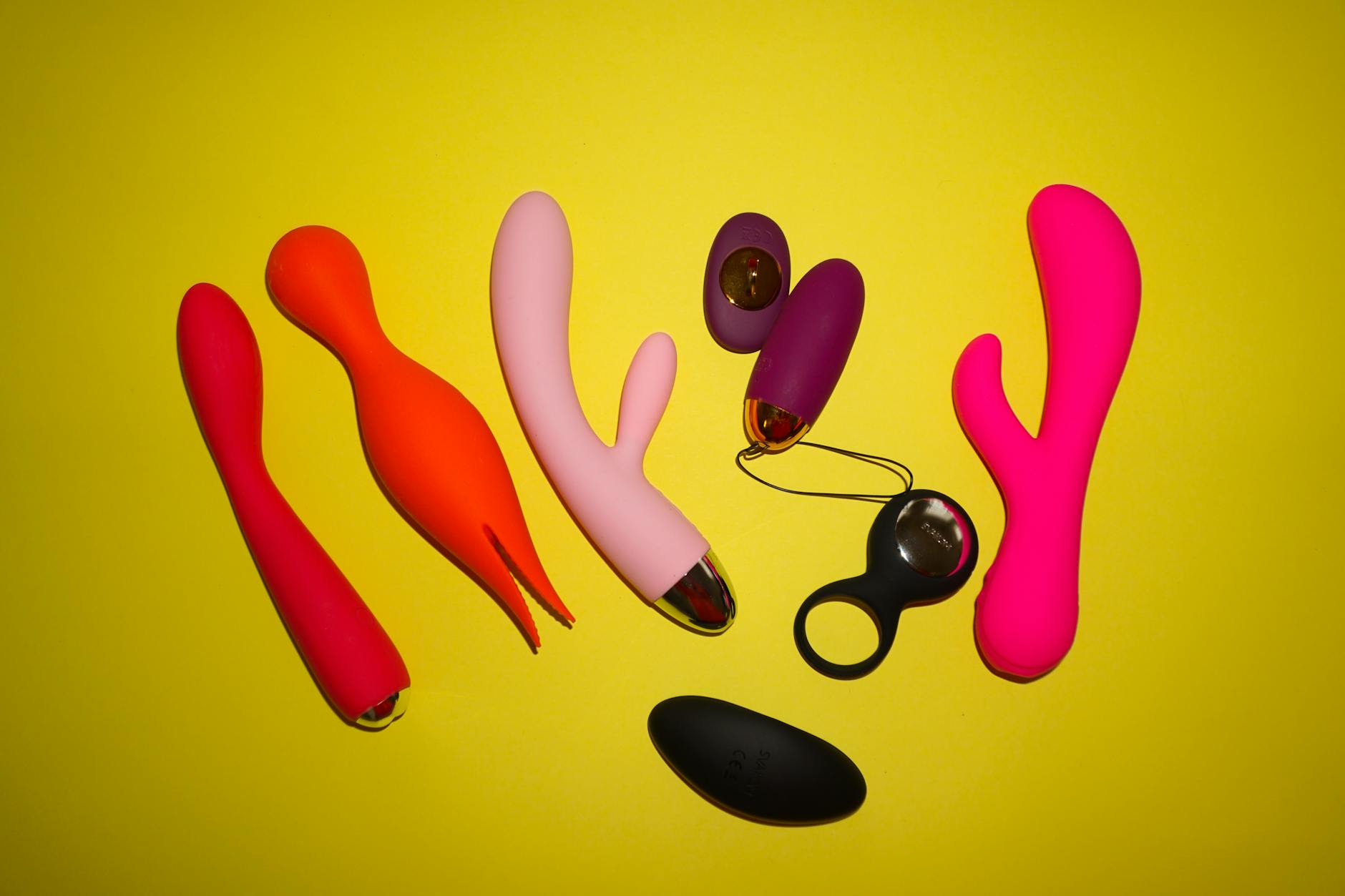
Let's talk about what pelvic floor trauma actually does to sensation
Pelvic floor injury changes everything about how pleasure feels. I'm not talking about soreness that fades. I'm talking about the kind of numbness where you touch yourself and feel almost nothing, where orgasm becomes something you remember instead of something you experience. That's what trauma to the pelvic floor does.
Here's the part nobody explains: the numbness isn't permanent, but it also isn't something a regular vibrator can fix. Your nervous system has learned to shut down sensation in that area as a protective mechanism. Forcing more vibration into a traumatized zone often makes it worse, not better.
How pelvic floor trauma disrupts nerve signaling
Your pelvic floor contains thousands of nerve endings. When trauma happens—whether from childbirth, surgery, injury, or sustained tension—those nerves go into lockdown mode. The muscles tighten defensively. Blood flow decreases. Neural pathways that used to carry pleasure signals start carrying pain or numbness instead.
Traditional vibrators work by repetitive mechanical stimulation. They assume the nervous system wants more input. After trauma, the opposite is true. Your body needs gentle, sustained stimulation that doesn't trigger the protective reflex. It needs a reset, not amplification.
This is why so many people with pelvic floor trauma say "vibrators don't work for me anymore." They're not broken. The wrong tool is being used.
Why suction-based lemon vibrators work differently
Air-suction devices like the Lem operate on a completely different principle than traditional vibration. Instead of rapid back-and-forth movement, suction creates gentle, rhythmic waves of pressure that recruit sensation without assault.
Think of it this way: if trauma made your nervous system defensive, suction feels like permission rather than pressure. The sensation travels deeper into the tissue without the sharp, repetitive stimulation that can retraumatize.
Lemon clitoral vibrators, with their specialized design for suction, are particularly effective because they distribute pressure evenly rather than concentrating it in one spot. For people recovering from pelvic floor trauma, this matters enormously. Concentrated pressure often triggers the protective reflex again.
Several of my clients have reported that suction-based lemon adult toys were the first thing that brought sensation back after they'd written off pleasure entirely. One person told me it was like "waking up a nerve that I thought was permanently asleep."
The timeline for sensation recovery
Recovery isn't linear, and it's not fast. Most people see meaningful changes in sensation within 4 to 8 weeks of consistent, gentle exploration. But "consistent" here doesn't mean daily use. It means patient, regular sessions without pressure or performance expectations.
Week 1-2: You might notice a subtle difference in how sensation is distributed. The numbness doesn't lift all at once. Instead, tiny areas start responding again. Many people miss these early signs because they're expecting transformation, not incremental change.
Week 3-4: The nervous system begins to trust that gentle stimulation isn't dangerous. Blood flow increases. You might notice warmth or tingling where there was only numbness before.
Week 5-8: Actual pleasure starts returning. Not necessarily orgasm. Just pleasure. The difference between numbness and sensation. For someone in recovery, that's monumental.
If you're not seeing any changes after 8 weeks, that's information. It might mean you need a pelvic floor physical therapist. It might mean the trauma was deeper than self-care can address alone. That's not failure. That's wisdom.
How to actually use a lemon vibrator during recovery
The technique matters as much as the tool. Here's what I recommend to people starting this process.
Start with the lowest setting. Not setting 2 or 3. Setting 1. Your nervous system needs to learn that stimulation can be safe. If you start too intense, you'll activate the protective reflex and undo progress.
Keep sessions short. Ten to fifteen minutes maximum, especially early on. A traumatized nervous system can only process so much gentle input before it gets overwhelmed and shuts down again. Better to leave wanting more than to push past your window.
Focus on curiosity, not outcome. This is the hardest part. You're not trying to orgasm. You're not trying to feel "normal" again. You're investigating what sensation is available right now. That mental shift is huge. Performance pressure will reactivate the protective reflex every time.
Use your breathing. Shallow breathing keeps the nervous system activated. Deep belly breathing tells your body it's safe. Breathe in through your nose for four counts, hold for four, exhale for six. This signals safety to your nervous system and allows deeper sensation.
Take breaks between sessions. Your nervous system needs time to integrate. Two or three times per week is better than daily use during recovery. Rest is part of the healing.
When to combine lemon vibrators with professional support
If sensation isn't returning after 8 to 10 weeks, or if pain accompanies exploration, stop and see a pelvic floor physical therapist. This isn't a failure of the tool. It means the trauma needs clinical intervention alongside self-care.
A good pelvic floor PT can do internal work that releases protective tension patterns. Combined with gentle lemon clitoral vibrator use at home, this combination accelerates recovery significantly.
If you also experienced psychological trauma alongside the physical injury, talking to a therapist helps. The body keeps score. Sometimes pleasure gets stuck not because of nerve damage but because the mind associates the area with danger. Both need addressing.
Why your partner (if you have one) needs to understand this
One of the hardest parts of recovery is explaining to a partner why things feel different or numb. Many people default to saying "I'm fine" because the alternative feels vulnerable. This usually backfires.
Better approach: be honest early. "I'm working through some pelvic floor stuff. Sensation is different right now. I need to explore this on my own for a bit, but I want you to understand what's happening." Most partners respond with relief when they understand it's not about them or the relationship.
If your partner wants to be involved, that's wonderful. But recovery usually needs to start solo. You need to reclaim sensation as yours before bringing someone else into it. That's not rejection. That's wisdom.
FAQ: Your questions about lemon vibrators and pelvic floor recovery
Can I use a lemon vibrator if I'm still in pain from pelvic floor trauma?
No. If there's active pain, that's a signal to stop and seek professional help. A pelvic floor physical therapist needs to evaluate what's happening. Once pain resolves, gentle lemon clitoral vibrator use can support recovery. Using tools while you're actively injured can reinforce protective patterns and slow healing.
How is a lemon suction vibrator different from a regular vibrator for trauma recovery?
Traditional vibrators use rapid oscillation, which can reactivate defensive muscle tightening in a traumatized pelvic floor. Lemon vibrators use air-suction technology that creates gentle, waves of pressure without sharp repetitive stimulation. This allows sensation to rebuild without triggering protective reflexes. It's like the difference between poking something and cradling it.
Will using a lem vibrator help me feel orgasm again?
Maybe, and that's actually the honest answer. Sensation recovery is the first goal. Orgasm often follows, but not always immediately. Some people regain full sensation but find orgasm takes longer to return because psychological safety needs rebuilding too. Focus on sensation first. Orgasm usually follows naturally.
How do I know if my pelvic floor trauma is too severe for self-care?
If you see no changes in sensation after 8 weeks of consistent, gentle exploration, or if pain worsens, that's your signal. Some trauma requires professional intervention. A pelvic floor PT can assess the depth of the injury and recommend the right path forward. This isn't a limitation. It's information.
Is it normal for sensation to come back unevenly?
Completely normal. You might feel sensation returning to one area first, then others lag behind. Your nervous system will heal in its own pattern. Some people describe it as "patchwork" recovery. That's okay. Uneven recovery is still recovery. Eventually the whole system catches up.
Can I use a lemon clitoral vibrator too soon after pelvic floor trauma?
The answer depends on your specific injury and whether you're in active pain or inflammation. If you're cleared by your doctor and pain-free, waiting 2 to 4 weeks after the injury before starting gentle exploration gives tissues time to settle. If you're still in the acute pain phase, wait. Patience now means faster recovery overall.
The thing about sensation recovery that nobody tells you
It's not linear. Some days sensation feels better. Other days you feel like you're back at square one. That's normal. Nervous system recovery is one step forward, sometimes a half-step back. The trend over weeks is what matters, not day-to-day variation.
The other thing: your pleasure isn't gone. It's temporarily unavailable, which is completely different. Sensation recovery is possible. Lemon vibrators, when used thoughtfully alongside professional support, can accelerate that process significantly. You're not broken. You're healing.
Start gentle. Be patient. Get professional support if you need it. Your nervous system will remember pleasure again.