The real trade-off nobody wants to discuss
Honestly? If an antidepressant saved your life, the sexual side effects are a fair price. But that doesn't mean you're stuck with them forever. The flattening of desire, the difficulty reaching orgasm, the general numbness in your body—these are real, common, and often reversible with the right approach.
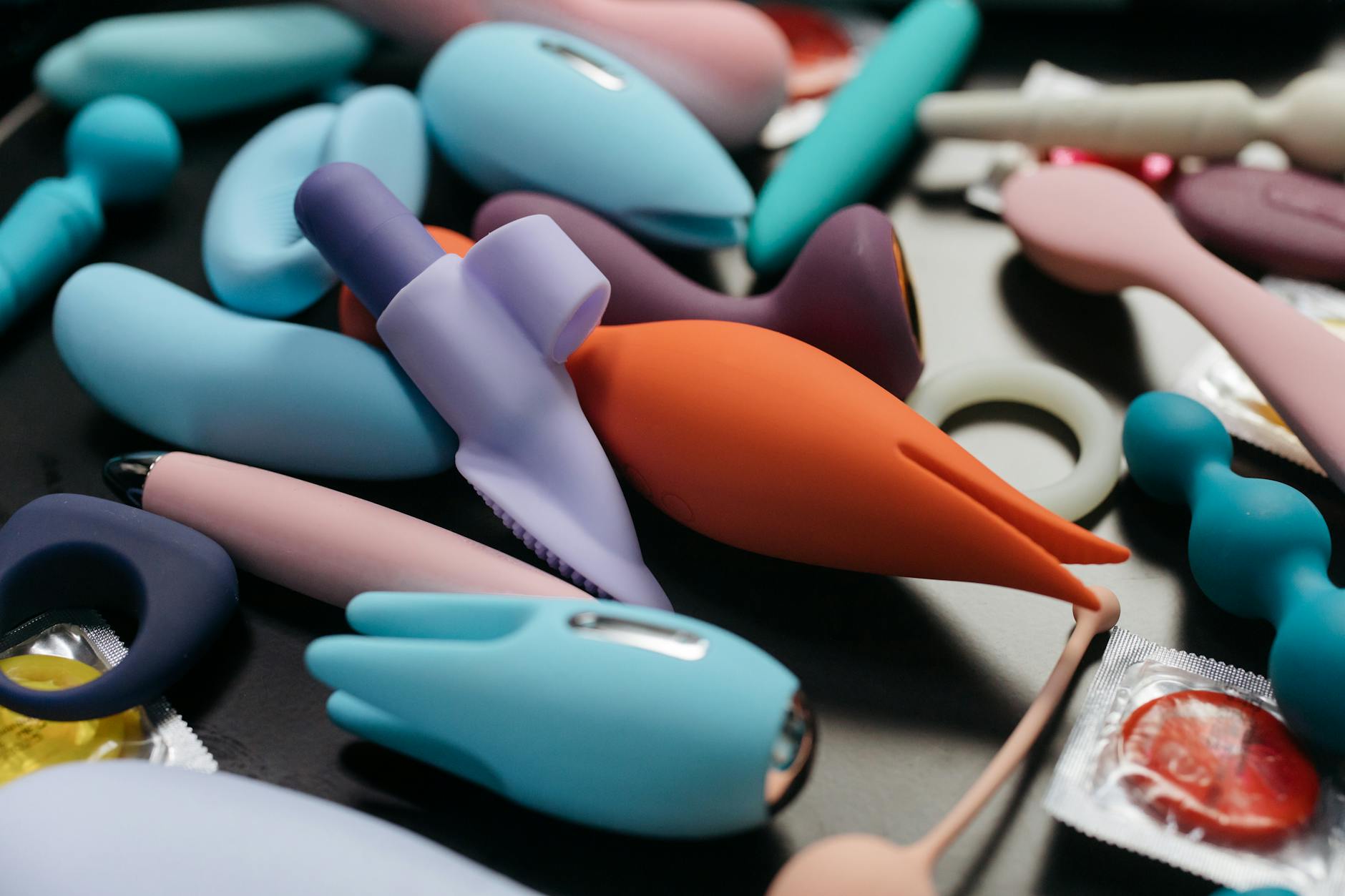
Here's what I've seen work consistently: switching to a lemon clitoral vibrator or other forms of targeted stimulation after starting SSRIs or other antidepressants. The reason is physiological, not motivational. Your brain and body have changed. Traditional stimulation doesn't hit the same. A lemon vibrator can.
Why antidepressants mute sexual response
SSRIs work by increasing serotonin availability in your brain. But serotonin also regulates sexual response—it dampens dopamine and norepinephrine, the neurotransmitters that fire during arousal. Higher serotonin can mean slower arousal, delayed or absent orgasm, and reduced genital sensation. This isn't depression talking. This is chemistry.
Estrogen also plays a role. Some antidepressants affect how your body metabolizes estrogen, which can reduce vaginal lubrication and elasticity. Dopamine drops, and with it, motivation and pleasure-seeking behavior. Your body is literally less interested and less able to respond.
The good news: none of this means you're broken. It means your nervous system has adapted to a new neurochemical baseline. And lemon clitoral vibrators work with that baseline instead of against it.
How suction technology penetrates the numbness
Traditional vibrators rely on oscillation—buzzing directly against tissue. When your nerve endings are muted by antidepressant effects, that sensation can feel distant or too subtle to build arousal. You need more stimulation, but more intensity isn't always the answer. Too much vibration on desensitized tissue becomes uncomfortable, not pleasurable.
Lemon vibrators and other suction-based clitoral toys work differently. Instead of vibrating against your clitoris, they create gentle rhythmic suction that engages a broader area of nerve tissue. This mimics the sensation of oral sex—a pattern your body recognizes as arousal even when your dopamine is running low.
The pattern triggers a different neural pathway. Rather than relying on rapid-fire sensation that antidepressants have dulled, suction activates deeper clitoral nerves and builds arousal more reliably. For many people on SSRIs, a lemon vibrator works when traditional vibrators feel like rubbing a numb finger.
What to expect when you first try one
If you've been on antidepressants for a few months, your baseline for pleasure has shifted. When you first try a lemon clitoral vibrator, the sensation might feel strange—not bad, just unfamiliar. That's normal. Your body is relearning what arousal feels like at your new neurochemical set point.
Start low. Lemon vibrators typically have 7-10 settings. Use settings 1-3 for the first few times. Spend 15-20 minutes exploring without any goal of orgasm. Your job is sensation gathering, not performance. Notice what patterns feel good, where on your body the sensation lands, what builds slowly versus what feels too intense.
Many people find that suction-based lemon clitoral vibrators reach orgasm more reliably than traditional vibrators when they're on SSRIs. This isn't placebo. The mechanism of stimulation matches your current neural wiring better. Over time, as your body acclimates and rewires slightly, sensation often improves further.
The medication conversation that matters
Here's what I recommend before you invest in a lemon vibrator: talk to your prescriber about the sexual side effects. Not because you're going to stop taking your antidepressant—your mental health matters most—but because sometimes a small dose adjustment, timing change, or alternative medication helps without sacrificing efficacy.
Bupropion, for instance, doesn't suppress dopamine the way SSRIs do and often preserves sexual function better. Mirtazapine can have fewer sexual side effects than sertraline. Taking your SSRI right after sex rather than before sometimes helps. None of these are guarantees, but they're worth exploring with your doctor.
If your current medication is working perfectly for your anxiety or depression, don't change it just for libido. Instead, use tools like lemon vibrators to work within your current neurochemistry. They bridge the gap between your mental health needs and your pleasure needs—and you don't have to choose.
Rebuilding desire alongside sensation
Desire and sensation are different problems. A lemon clitoral vibrator addresses sensation—it helps your body experience pleasure despite antidepressant dampening. But desire (the motivation to have sex in the first place) is harder to manufacture.
Here's what actually helps: removing friction from the decision to pursue pleasure. That sounds simple. It isn't. When you're on antidepressants, your brain isn't pushing you toward sex the way it did before. So you have to create external motivation. Set aside 20 minutes on a specific day. Have a lemon vibrator within arm's reach. Reduce the number of decisions between "I could try this" and actually starting.
You're not waiting for desire to appear. You're creating the conditions where pleasure can happen, which sometimes regenerates desire. Many of my clients report that once they rediscover orgasm using a lemon vibrator, the motivation to pursue it comes back naturally.
When partnered sex matters more
If you have a partner, this gets more textured. The sexual side effects of antidepressants can affect both of you. Your partner might feel rejected or confused. You might feel guilty for the dampened response, which then increases anxiety, which worsens sexual function. It's a feedback loop.
Using a lemon clitoral vibrator with a partner can reframe the whole dynamic. It shifts from "why can't you come" to "here's what works for both of us now." Your partner can use the vibrator on you, or you can use it yourself while they're involved. The performance pressure lifts. The focus moves to pleasure that's actually possible at your current baseline.
I've seen couples who were barely intimate after one partner started antidepressants rebuild genuine sexuality by incorporating tools like lemon vibrators. It's not about the toy being "better" than partnered touch. It's about the toy being a bridge back to sensation and pleasure when medication has altered the landscape.
Layering in other tactics that help
A lemon vibrator is powerful on its own, but a few other things amplify its effect when you're managing antidepressant side effects.
Lubrication matters more than ever. Even if you're producing lubrication, adding water-based lube can increase sensation and comfort. It's not a sign of dysfunction. It's a practical adaptation.
Timing can shift things too. Some people find that their sexual response improves at certain times of day or in relationship to their medication schedule. If you take your SSRI at night, you might have sharper sensation in the morning. Experiment.
Mindfulness—not meditation, but actual present-moment attention—changes the game. When your body's signals are muted, scattered attention makes pleasure even harder to access. Focusing completely on sensation for 10 minutes often produces results that distracted stimulation won't.
And don't underestimate the power of novelty. A new lemon clitoral vibrator or a fresh approach to partnered sex can temporarily override some of the neurochemical flattening. Your brain still responds to novelty even when serotonin is high. Use that.
The timeline for improvement
If you just started antidepressants, sexual side effects typically peak at 4-8 weeks, then stabilize. They don't always improve on their own—some people remain affected as long as they take the medication. But many people find that sensation gradually improves over months as the brain adjusts.
When you add a lemon vibrator to the picture, you're not waiting for chemistry to shift on its own. You're actively rebuilding the pleasure pathways that antidepressants have altered. This can compress the timeline from "eventually maybe" to "within weeks."
Give yourself at least 5-8 sessions with a lemon vibrator before deciding whether it's working. Your body needs time to learn the new sensation and for your brain to rewire slightly. Most people notice improvement by session 3-4. Some take longer. That's fine.
FAQ: Antidepressants and Sexual Pleasure
Can I take supplements to improve sexual function while on antidepressants?
Some people find that L-arginine, ginseng, or maca help slightly, but the research is weak and results vary wildly. They won't reverse SSRI sexual side effects—they might take the edge off. Talk to your doctor before adding anything, especially if you're on other medications. A lemon vibrator has far more evidence behind it.
Is it normal to take longer to orgasm after starting antidepressants?
Completely normal. Delayed orgasm or anorgasmia (inability to orgasm) affects 40-60% of people on SSRIs. You're not failing at sex. Your neurochemistry has shifted. Tools like lemon clitoral vibrators help bridge that gap.
Can I still have good sex with a partner if I need a vibrator?
Yes. A lemon vibrator isn't a replacement for partnered sex. It's a tool that helps your body access pleasure and orgasm more reliably when medication has dampened response. Many couples find that using it together strengthens intimacy, not weakens it.
Will the sexual side effects go away if I stay on my antidepressant?
Sometimes. Many people experience mild improvement over 3-6 months as the brain adjusts. Others plateau and remain affected. Switching to a different antidepressant or adjusting dosage sometimes helps. A lemon vibrator helps in the meantime, whether the side effects improve or not.
Should I tell my doctor I'm using a vibrator?
Your doctor doesn't need details, but mentioning that you're using tools to improve sexual function can be helpful context. They might adjust your medication or add something that improves sexual response without affecting your mental health treatment. The goal is honesty about what's working and what isn't.
Can antidepressants permanently damage my ability to have pleasure?
No. Even after years on SSRIs, sexual function usually returns to baseline after you stop the medication (if you ever do). While you're on them, lemon clitoral vibrators and other strategies can restore pleasure without sacrificing your mental health. Your brain's capacity for pleasure isn't gone. It's temporarily muted.
The real picture
Antidepressants save lives. Sexual side effects are real but manageable. A lemon vibrator or other clitoral suction toy isn't a workaround for a broken system. It's a tool that works with your current neurochemistry to rebuild sensation and pleasure when antidepressants have altered both.
Your mental health comes first. But pleasure matters too. You don't have to choose between the two. With the right approach and tools, you can have both. That's not settling. That's smart adaptation.
If you're struggling with sexual function while on antidepressants, we're here to help. Contact us to discuss what might work best for your situation, or explore our buying guide to find the right lemon clitoral vibrator for your needs.