
The numbness that comes from saying no to yourself
Here's the thing about years of dismissing your own pleasure. It's not that desire vanishes. It calcifies. Your brain learns that wanting something for yourself is selfish, inconvenient, or wrong, and eventually your body stops bothering to ask. You'll notice you're not interested in sex anymore. What's actually happening is deeper. You've trained yourself to feel nothing at all.
This shows up differently depending on your story. Maybe your partner made you feel like wanting anything was a burden. Maybe you grew up in a home where pleasure was shameful. Maybe you were so focused on keeping everyone else okay that your own body became a place you stopped visiting. The origin doesn't matter as much as the result. You're here. You want to change it. And you're running into the problem that wanting doesn't flip back on like a light switch.
Why numbness feels safer than sensation
Your nervous system isn't broken. It's smart. Numbness was protection. If you couldn't feel desire, you couldn't feel the shame of having it. If you didn't want sex, you couldn't be rejected for wanting it. If your pleasure didn't matter to you, it couldn't matter when other people ignored it. That strategy kept you safe for years. The cost was silence.
Now you're trying to wake that part of yourself back up, and it's terrifying. Sensation means vulnerability. Wanting things means risking disappointment. Pleasure means admitting you matter. Your body hasn't forgotten this equation.
The retraining that actually works
Rewiring pleasure isn't about willpower or trying harder. It's about gentle, consistent exposure to sensation without the pressure of performance. This is where lemon vibrators change everything. Unlike partnered sex, which carries emotional weight and expectation, using a clitoral vibrator is private, low-stakes, and entirely for you. There's no one to impress. No one to worry about. Just sensation, on your terms, whenever you decide.
The design of lemon vibrators matters here. Traditional vibrators use direct friction, which can feel overwhelming to someone who's been numb for years. The suction mechanism in lemon clitoral vibrators creates a gentler, more enveloping stimulation. It feels less like being directly stimulated and more like your clitoris is being held. That shift is crucial when you're learning to want again. It's intense enough to wake up your nerve endings but not so jarring that it triggers your brain's alarm system.
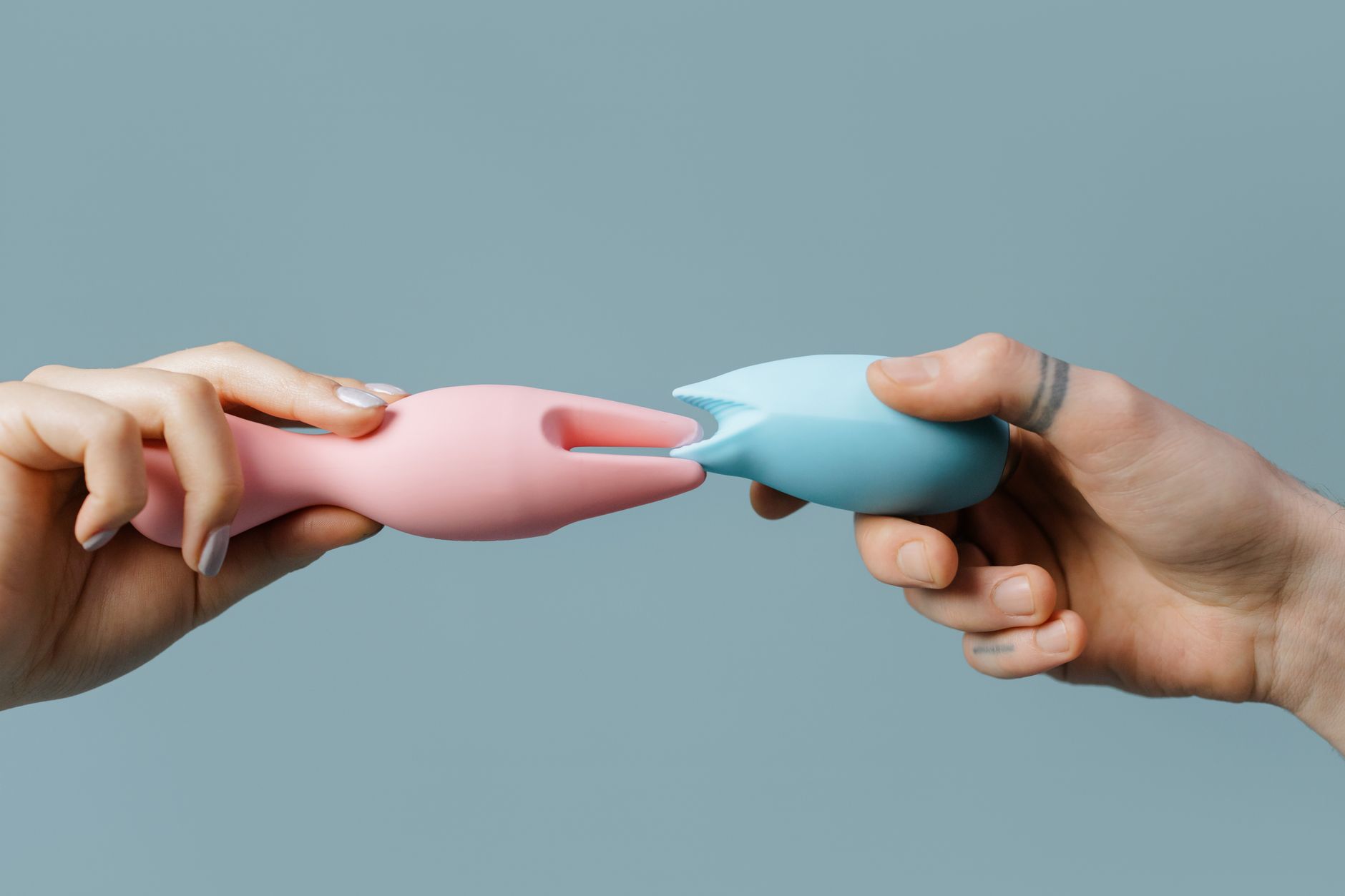
Photo by cottonbro studio on Pexels
Starting the practice without pressure
The first time you use a lemon vibrator after years of numbness, set zero expectations. You're not trying to orgasm. You're not trying to feel aroused. You're just trying to notice. That's the whole practice.
Start on the lowest setting, in a quiet room where you won't be interrupted. Wear whatever makes you feel safe. Touch your vulva without the toy first. Just your fingers. Notice what you feel. Is there warmth? Tension? Nothing? All of these are data, not failure. Now introduce the lemon vibrator. Notice the sensation. Is it buzzing? Pulsing? Suction-based? How does it compare to your fingers? Spend five minutes noticing. Then stop.
Repeat this for a week. Five minutes, lowest setting, no goal except sensation. Your nervous system is learning that touch is safe again. It needs to build this foundation before anything else happens.
The emotional work that has to happen alongside
Using a lemon clitoral vibrator is the physical piece, but there's emotional archaeology happening too. As you start to feel sensation again, old beliefs will surface. "This is selfish." "My pleasure isn't important." "I should be grateful for what I have instead of wanting more." These thoughts aren't new. They've been running your nervous system for years.
When they show up, notice them without fighting them. You're not trying to think your way into pleasure. You're just observing that the old stories are still there. As sensation returns, something in your brain will start to question those narratives. That's the rewiring. It doesn't happen through logic. It happens through repeated experience of safe, solo, consequence-free pleasure.
If you're in a relationship, this is worth discussing with your partner. Not as a replacement for them, but as a tool for reclaiming your own body. The best partners understand that your pleasure is separate from theirs. It's not a threat. It's a return.
How long the rewiring actually takes
This varies wildly depending on how deep the numbness goes. Some people notice sensation returning after two weeks of consistent practice. Others take months. The timeline isn't the point. Progress is the point.
You'll know it's working when you start thinking about using your lemon vibrator even when you're not in the moment. When anticipation starts to creep in. When you feel that small flutter of wanting something for yourself and you don't immediately crush it. These are the real markers. Not the intensity of sensation. Not the strength of orgasm. The willingness to want.
Creating a practice that sticks
Consistency matters more than intensity. Five minutes three times a week rewires your nervous system better than a desperate hour-long session once a month. Build it into your routine. Maybe it's part of your self-care on Sunday mornings. Maybe it's something you do before bed. The lemon vibrator becomes an instrument for reconnecting with yourself, not another item on your to-do list.
One practical thing: keep your lemon clitoral vibrator somewhere you see it. Not hidden away. Visible reminds your brain that this is normal, that you deserve this, that pleasure is part of your life now. The more ordinary it becomes, the less shame attaches to it.
When to involve a professional
If months of solo practice haven't shifted the numbness, talking with a therapist who specializes in sexual health or somatic work is worthwhile. Sometimes the block is deeper than just nervous system numbing. Sometimes there's trauma that needs professional support to move through. There's no shame in that. You've been protecting yourself for a long time. Healing that protection takes trained help sometimes.
If you're in a relationship and want to reintegrate lemon vibrators or pleasure tools into partnered sex, a couples therapist can help with that conversation too. These discussions aren't small. They touch on vulnerability, worth, and desire. Having someone trained to hold that space changes everything.
FAQ
Can lemon vibrators actually help if I've been numb for years?
Yes, consistently. Lemon clitoral vibrators work because they provide safe, private, pressure-free stimulation that your nervous system can gradually become comfortable with. The suction mechanism is gentler than traditional vibration, which makes it easier to tolerate when you're learning sensation again. The key is consistency over intensity. Your brain needs repeated exposure to pleasure without shame or expectation.
How do I use a lemon vibrator if I feel guilty about pleasure?
Start by reframing what you're doing. You're not being selfish. You're doing nervous system rehabilitation. This is maintenance, like brushing your teeth or stretching. Your pleasure matters. Reclaiming it is an act of self-respect, not selfishness. When guilt surfaces during practice, notice it without judgment, then return your attention to sensation. Over time, repeated safe experience rewires the guilt.
What if my partner doesn't understand why I want to use a lemon vibrator?
Many partners worry that a clitoral vibrator means they're not enough. They're not. This is about you reclaiming your body and your right to pleasure. Frame it clearly. "I'm doing this for myself, to reconnect with my body. It has nothing to do with our relationship." If your partner remains resistant, that's worth exploring in couples therapy. A partner who respects your pleasure is a partner worth keeping.
How often should I use a lemon clitoral vibrator when I'm starting out?
Three times a week for five to ten minutes is the sweet spot when you're beginning. This gives your nervous system regular exposure without overwhelming it. Consistency matters more than duration. A ten-minute session three times a week rewires your brain better than a sixty-minute marathon once a month.
Can using a lemon vibrator make partnered sex better?
Often, yes. When you reconnect with your own pleasure, you become more attuned to what actually feels good to you. You're less likely to agree to sex just to keep the peace. You advocate for your own needs. This actually improves partnered sex because it's happening between two people who are both invested in pleasure, not just one person accommodating the other.
What if I still can't feel anything after weeks of trying?
This is real and it's not failure. Sometimes the numbness is so deep that it needs professional support to shift. A therapist trained in somatic work or trauma-informed sexuality can help. Also, lemon vibrators aren't the only tool. Some people reconnect through touch, movement, meditation, or other modalities. The goal is finding what works for your specific nervous system, not forcing yourself into a particular practice.
The slow reclamation of yourself
You spent years learning not to want. Unlearning that takes patience and consistency. A lemon vibrator isn't magic. What it is, is a tool that makes safe space for sensation. It's permission you give yourself, held in your hands, to matter. To feel good. To come back to your body after years of absence. That's the whole practice. Not orgasm, not intensity, not performance. Just you, slowly, learning to want yourself again. Get in touch with our team at My Lemma Sager if you have questions about choosing the right clitoral vibrator for your journey.
References
Bipolar II Foundation. (2023). Numbness and Pleasure: Understanding Anhedonia in Relationship Contexts.
Gottman, J. M., & Silver, N. (2015). The Seven Principles for Making Marriage Work: A Practical Guide from the Country's Foremost Relationship Expert.
Van der Kolk, B. A. (2014). The Body Keeps the Score: Brain, Mind, and Body in the Healing of Trauma.