
Tension masquerades as numbness
You try. Your partner tries. Nothing happens. The frustration builds, which tightens things further, which makes sensation harder to reach. It's a trap. Most people assume the problem is low sensation or lack of desire. Often it's actually the opposite problem: too much protective muscle tension.
The pelvic floor is a group of muscles that sits like a hammock beneath your pelvis. When they're working well, they engage and release with ease. When they're chronically tight, they clamp down and stay clamped, even when you're trying to relax. That tension does two things: it restricts blood flow to the clitoris (which kills sensation), and it creates a physical barrier that orgasms can't pass through.
What actually causes pelvic floor holding
It's rarely one thing. Most of the time it's a combination.
Stress and anxiety sit at the top of the list. The pelvic floor is connected to your nervous system's threat response. When you're chronically stressed, your nervous system stays in low-level alert, and the pelvic floor mirrors that by staying contracted. Your muscles are literally braced for something bad to happen.
Pasttrauma plays a role too. Not always explicit sexual trauma. Sometimes it's a history of difficult periods, a painful exam, a partner who moved too fast, or years of feeling unsafe in your own body. The muscles remember and protect.
Habitual patterns matter. If you've spent years clenching through sex (whether from anxiety, numbness, or learned response), the muscles develop a baseline of tension. They forget how to fully release.
And sometimes there's a real medical component. Vaginismus, levator ani syndrome, or other myofascial pelvic floor dysfunction can create similar patterns. If this is the case for you, a pelvic floor physical therapist is essential. You don't solve pelvic floor dysfunction with a vibrator alone.
Why lemon vibrators are different for tense pelvic floors
Traditional vibrators usually work by rapid oscillation. That feels intense when your pelvic floor is already tight. The vibration can amplify the tension, making you clench harder. You end up fighting the sensation instead of relaxing into it.
Lemon clitoral vibrators use suction instead. The stimulation feels more like sustained, gently pulling sensation rather than rapid buzzing. That's a completely different sensory pathway. Instead of triggering a clench response, suction tends to encourage release. It's gentler, and that gentleness is often exactly what a tight pelvic floor needs to start relaxing.
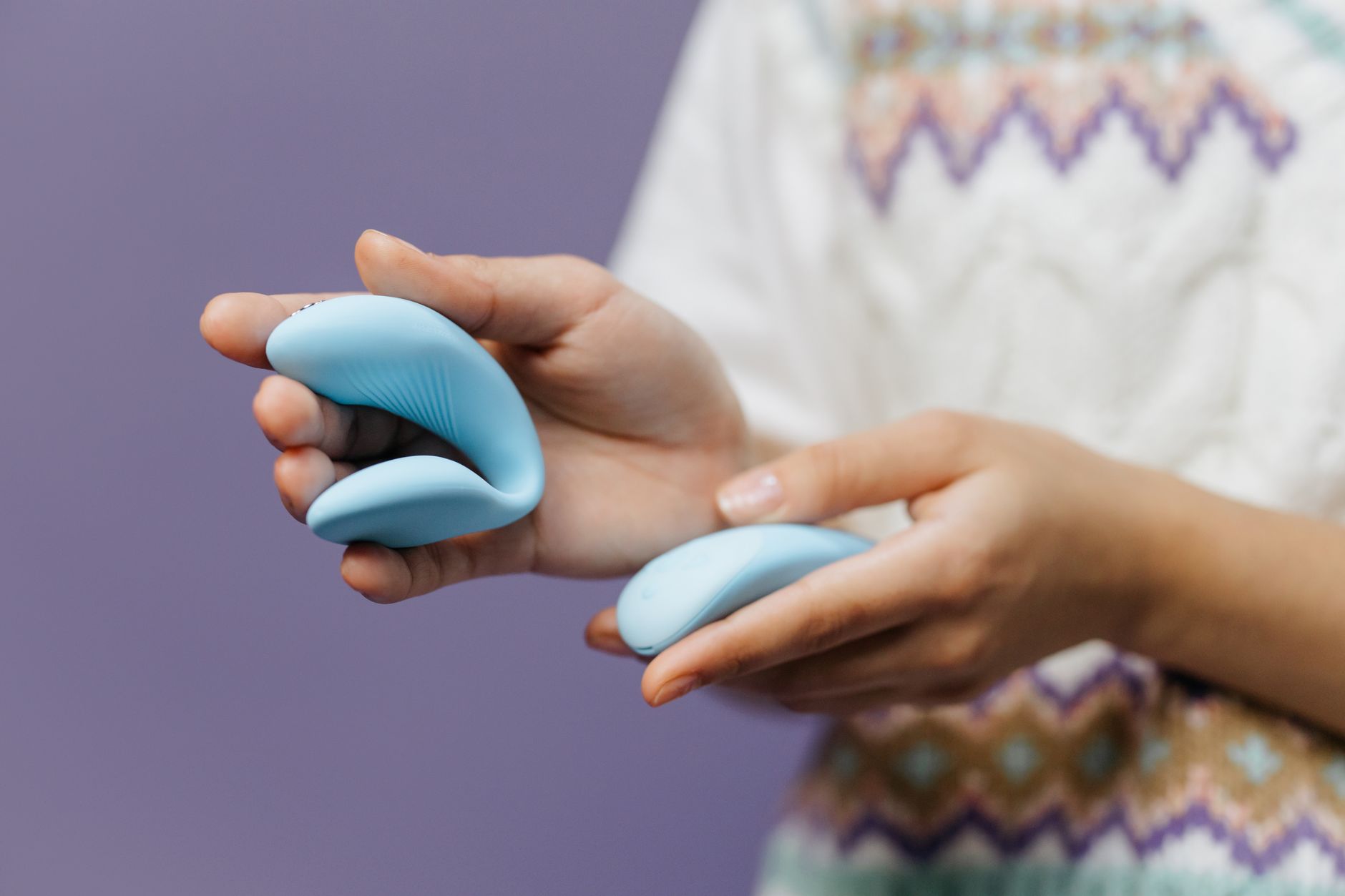
Photo by cottonbro studio on Pexels
When you use a lemon vibrator at lower settings, you're not forcing stimulation. You're inviting your nervous system to shift. The pulling sensation can actually signal safety to your body, which helps your pelvic floor start to let go.
How to use a lemon vibrator when tension is the problem
Start outside the body entirely. Press the lemon vibrator gently against your inner thigh or lower belly for a few minutes. The point is not stimulation. The point is to let your nervous system acclimate to the sensation without any performance pressure.
Move to the labia. You don't need to go deep or direct right away. Use it on the outer tissues at the lowest setting. This is where you're learning to notice sensation without forcing it.
When you move to the clitoris, keep it on setting 1 or 2. The temptation is to crank it up because you can't feel enough. Resist. Going higher will only increase the tension you're trying to release. Lower intensity, longer duration.
Practice relaxing deliberately. This sounds backward, but it's key. As you use the vibrator, actively notice where you're holding tension. Your thighs, your belly, your glutes, your jaw. Breathe into those places. Let them soften. The orgasm isn't the goal right now. The goal is teaching your nervous system to stay relaxed while receiving sensation.
Incorporate it into longer sessions. Fifteen to twenty minutes is much better than a rushed five. Your pelvic floor needs time to recognize that it's safe to let go.
The role of breathing and nervous system work
You can't relax your pelvic floor through force. You can only signal your nervous system that it's safe, and let it choose to release.
Breathing is the most direct way to do that. When you're aroused and tense, breathing gets shallow. That keeps your nervous system in alert mode. Slow breathing (particularly longer exhales) signals the opposite. Try breathing in for a count of 4 and out for a count of 6. That shift alone can soften muscle tension significantly.
Some people benefit from pairing the lemon vibrator with body scan or grounding work. Before you use it, spend two minutes noticing your whole body without trying to change anything. Just notice. Where is sensation? Where is numbness? Where is tension? That simple awareness can begin to rewire the pattern.
If you have a partner, their presence can either help or hurt. If they're present with low-pressure support (not waiting for an outcome, just being there), that's helpful. If they're focused on whether you're going to come, that pressure will tighten everything right back up. Be honest about what you need in the moment.
When to add physical therapy
A lemon vibrator can be a powerful tool, but it's not a replacement for real pelvic floor work if the tension is severe or rooted in trauma.
See a pelvic floor physical therapist if. You have pain during sex, not just lack of orgasm. The tension doesn't soften after two to three weeks of consistent practice. You have a history of trauma and want professional support to release what's held in your body. You've been told you have vaginismus or levator ani syndrome.
A good PT will teach you release techniques, help you understand your nervous system patterns, and sometimes use manual therapy to help muscles that are genuinely stuck. That work, paired with a lemon vibrator at home, is often the combination that breaks the cycle.
The cascade of release
Here's what often happens once pelvic floor tension starts to ease. Sensation returns. Not immediately always, but within days or weeks, your clitoris becomes more responsive. Arousal builds faster. Orgasms, when they come, feel less like you're forcing them and more like they're unfolding naturally.
Many people find that the mental relief is just as significant as the physical one. For years, you've been fighting your own body. That fight carries weight. When the pelvic floor starts to trust that it's safe, the whole nervous system shifts. Sex stops being another task where you're failing. It becomes something you can actually enjoy.
Tension is not a character flaw. It's not a reflection of how much you want it. It's just your body's very reasonable way of protecting you from what feels threatening. The work is simply teaching it that it doesn't need to protect you in that way anymore.
People also ask
How do I know if my pelvic floor is tight versus just numb?
Tightness usually has a sensation of holding or clenching that you can feel. You might notice your muscles involuntarily contracting, or you might feel restricted. Numbness is absence of sensation. In practice, they often coexist. Tight muscles actually cause reduced sensation because they restrict blood flow. The easiest way to check is to notice whether you feel physical resistance or tension when your partner or you try to enter the vagina. Resistance or discomfort usually points to tightness. You can also ask a pelvic floor PT to assess you directly.
Can I use a regular vibrator instead of a lemon clitoral vibrator if I have pelvic floor tension?
You can, but it's often harder. High-frequency vibration tends to trigger protective muscle responses in people with pelvic floor tension. The suction mechanism in lemon vibrators is designed to be gentler and more conducive to relaxation. That said, if you have a vibrator with adjustable intensity and you use it on the lowest settings, it can work. The learning curve is just steeper.
How long does it take for pelvic floor tension to improve with a lemon vibrator?
It varies. Some people notice softening within one to two weeks. Others take six to eight weeks. The timeline depends on how long the tension has been there, whether there's trauma involved, your stress level, and whether you're doing concurrent work like breathing exercises or physical therapy. Consistency matters more than intensity. Two or three sessions a week of twenty minutes will get you further than occasional use.
Is it normal for orgasms to feel different when the pelvic floor starts to release?
Yes. When muscles are chronically tight, orgasms often feel constrained or localized. As the pelvic floor relaxes, sensation can spread more widely through your body. Some people find that orgasms feel gentler but more satisfying. Others describe them as more full or expansive. It's not better or worse. Just different. That adjustment period is actually a good sign that something is shifting.
What if the lemon vibrator makes the tightness worse?
Some people do experience temporary increased tension when they first try stimulation, especially if they're in a heightened nervous state. If this is you, step back. Spend a week or two doing grounding and breathing work without the vibrator. Let your nervous system settle. Then reintroduce the vibrator at the absolute lowest setting, and pair it with deliberate relaxation practice. If tension consistently increases, talk to a pelvic floor PT or your doctor. There may be a specific reason you need a different approach.
Can my partner help release pelvic floor tension?
Yes, but it requires a shift in how you approach sex. The focus needs to move away from outcome (like orgasm) and toward sensation and relaxation. Communication is essential. Tell your partner what you're noticing, where you feel tension, and what kind of touch feels safe. Sometimes external pressure (like hands on your belly or thighs) can help you notice and release tension. Sometimes solo exploration with a lemon vibrator is the faster path. Honor what your nervous system actually needs, not what you think you should want.
Moving forward
Pelvic floor tension is one of the most underdiagnosed barriers to pleasure. It's not talked about because it sits at the intersection of sex, bodies, and nervous system health. All three feel complicated.
But here's what I want you to know: tension is not permanent. Your muscles learned to clench. They can learn to release. A lemon vibrator is a tool that can help your body feel safe enough to try. Combined with breathing, patience, and sometimes professional support, it can be the entry point to a completely different experience of your own body.
You deserve pleasure that doesn't require fighting yourself. That's possible.